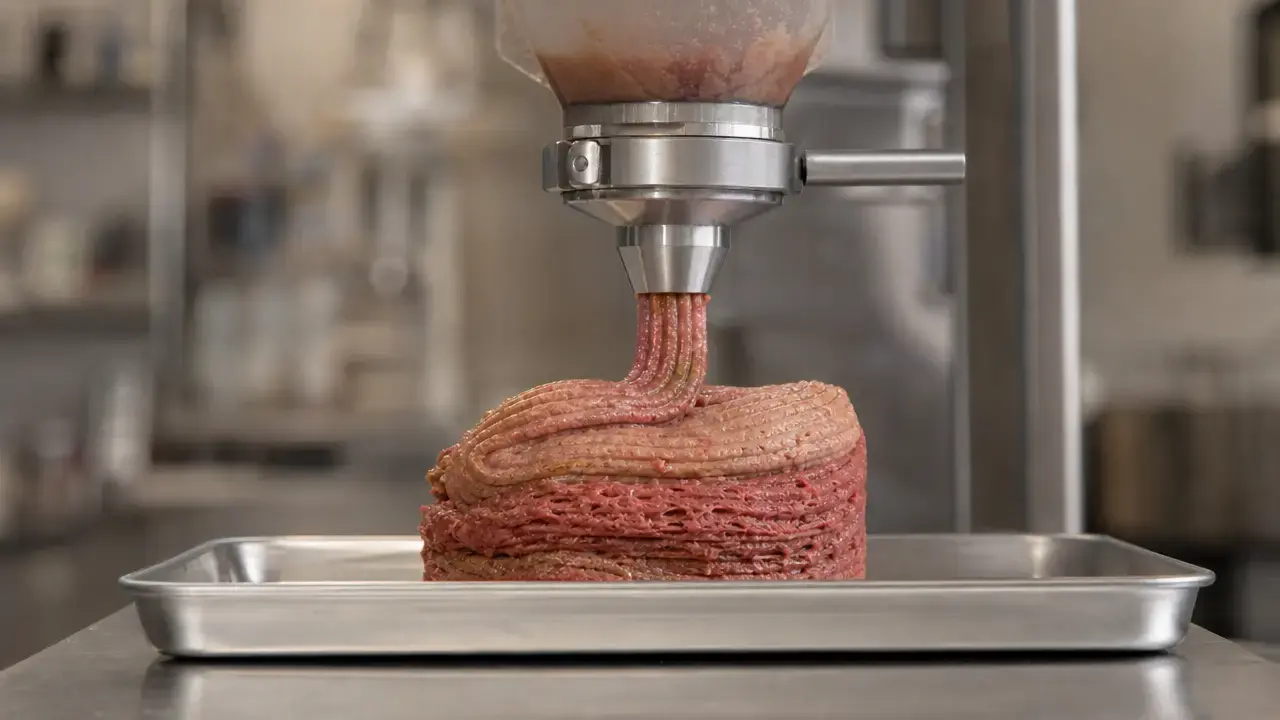
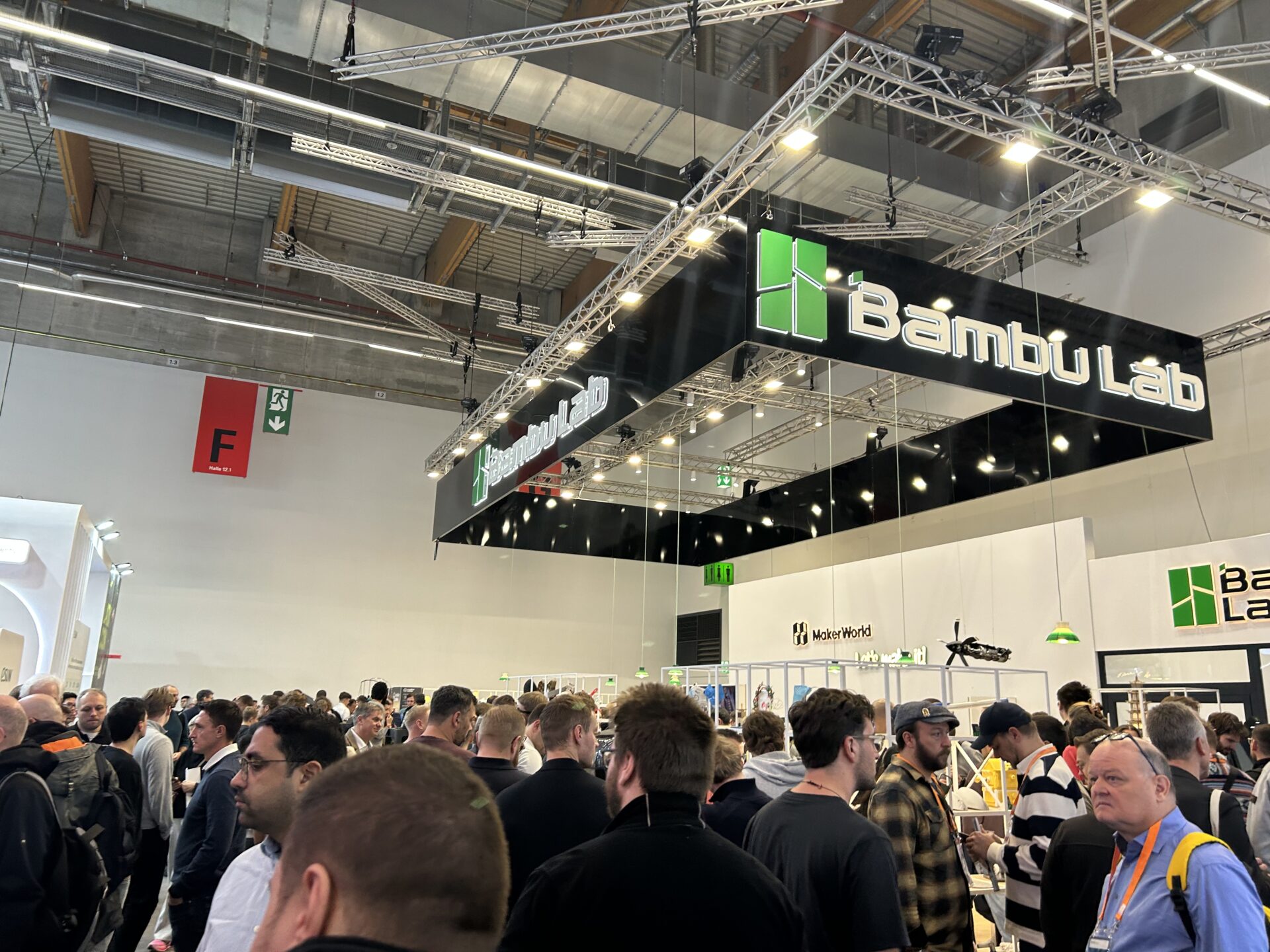

Serial production-grade additive manufacturing was the main focus of this year’s leading 3D printer manufacturers at Formnext 2026. Nikon SLM Solutions finally revealed MACHX, EOS opened orders for its largest-ever polymer platform, and Stratasys and 3D Systems both arrived with machines built for the factory floor.
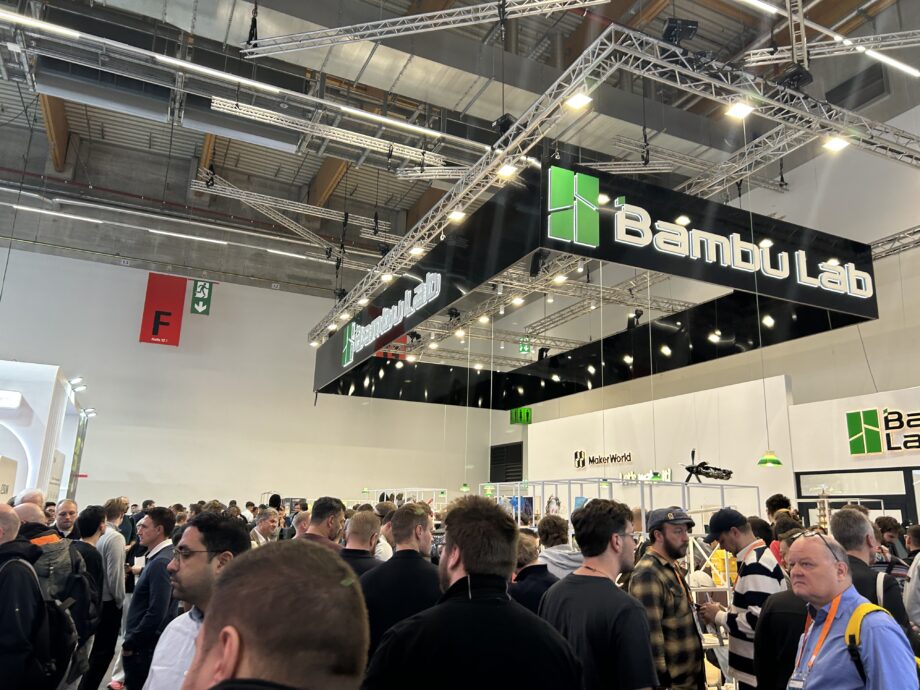
Across a reshaped Messe Frankfurt, powder bed fusion, polymer sintering, and high-resolution material jetting all promoted the same benefits: more parts per day, less labor per part, and lower cost of ownership. Even desktop 3D printing specialist Bambu Lab chose to showcase its most ambitious multi-material printer to date.
These are the five launches that defined the week. For the scanning side of the show, see our pick of the five must-see new 3D scanners at Formnext 2026.
1. Nikon SLM Solutions unveils MACHX for series production
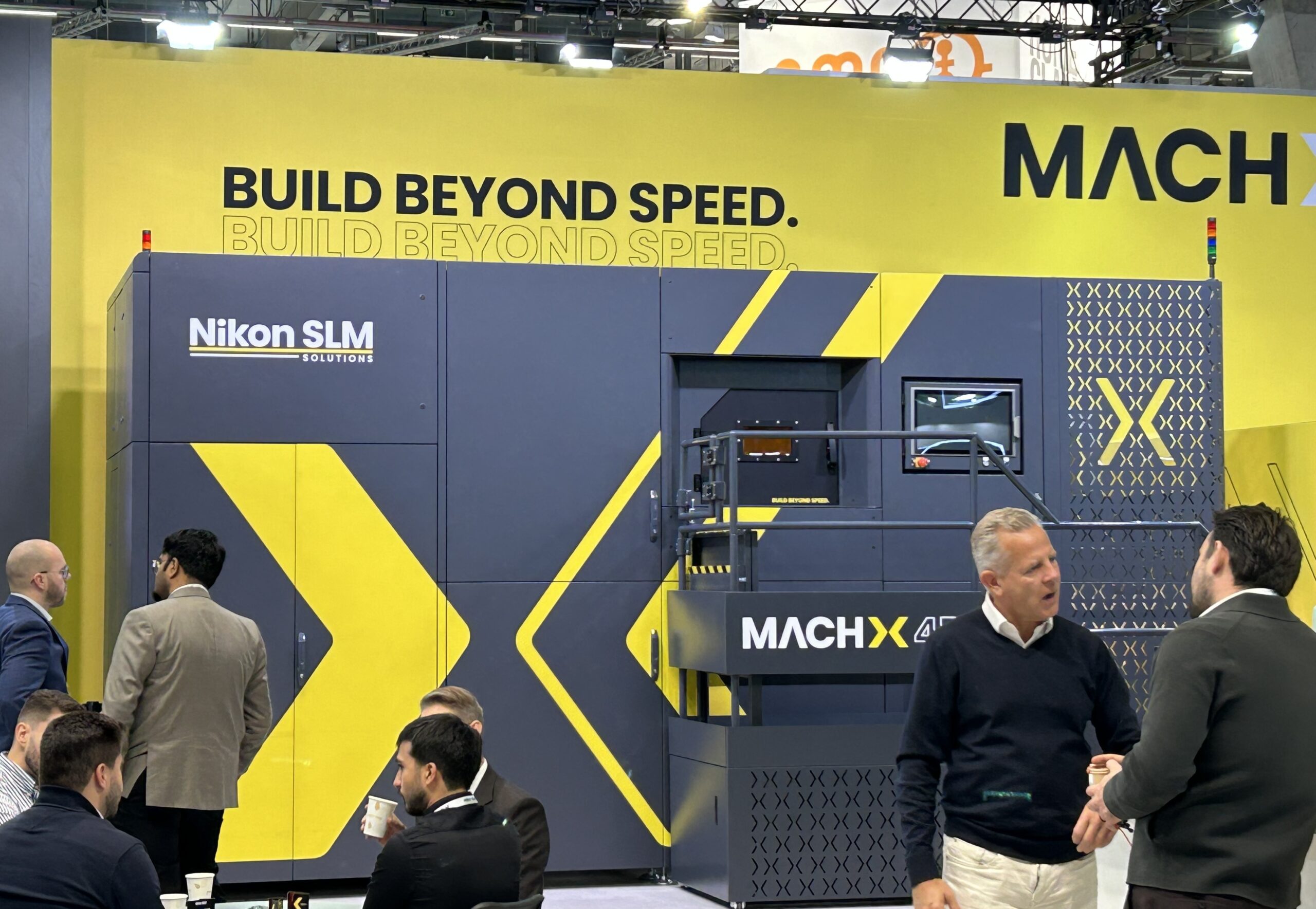
Build volume: 450 × 450 × 450 mm (MACHX 450); 450 × 600 × 450 mm (450C); up to 1,000 mm in Z (450E)
Laser power: Up to 8 kW total: four or eight 1 kW lasers, or four 2 kW lasers with beam shaping
Setup time: Just 25 minutes with optional loading, preheating, and cooling stations
Price: On request
Fewer launches drew more attention in Frankfurt than the MACHX. Nikon SLM Solutions revealed a family of three mid-size laser powder bed fusion machines built on one architecture, so manufacturers can start with a single system and grow into a fleet on the same factory floor. German service provider GERG has already placed a multi-unit order for the MACHX 450C – a big show of confidence in the system.
The platform targets everyday production parts in aluminum, titanium, and nickel alloys, where extra laser power drives down cost per part. Powder recovery, sieving, and filtration are built in, fringe projection checks each powder layer, and parameters carry over from the NXG line, so existing users don’t have to start from scratch.
2. EOS opens orders for the all-new HELIOR
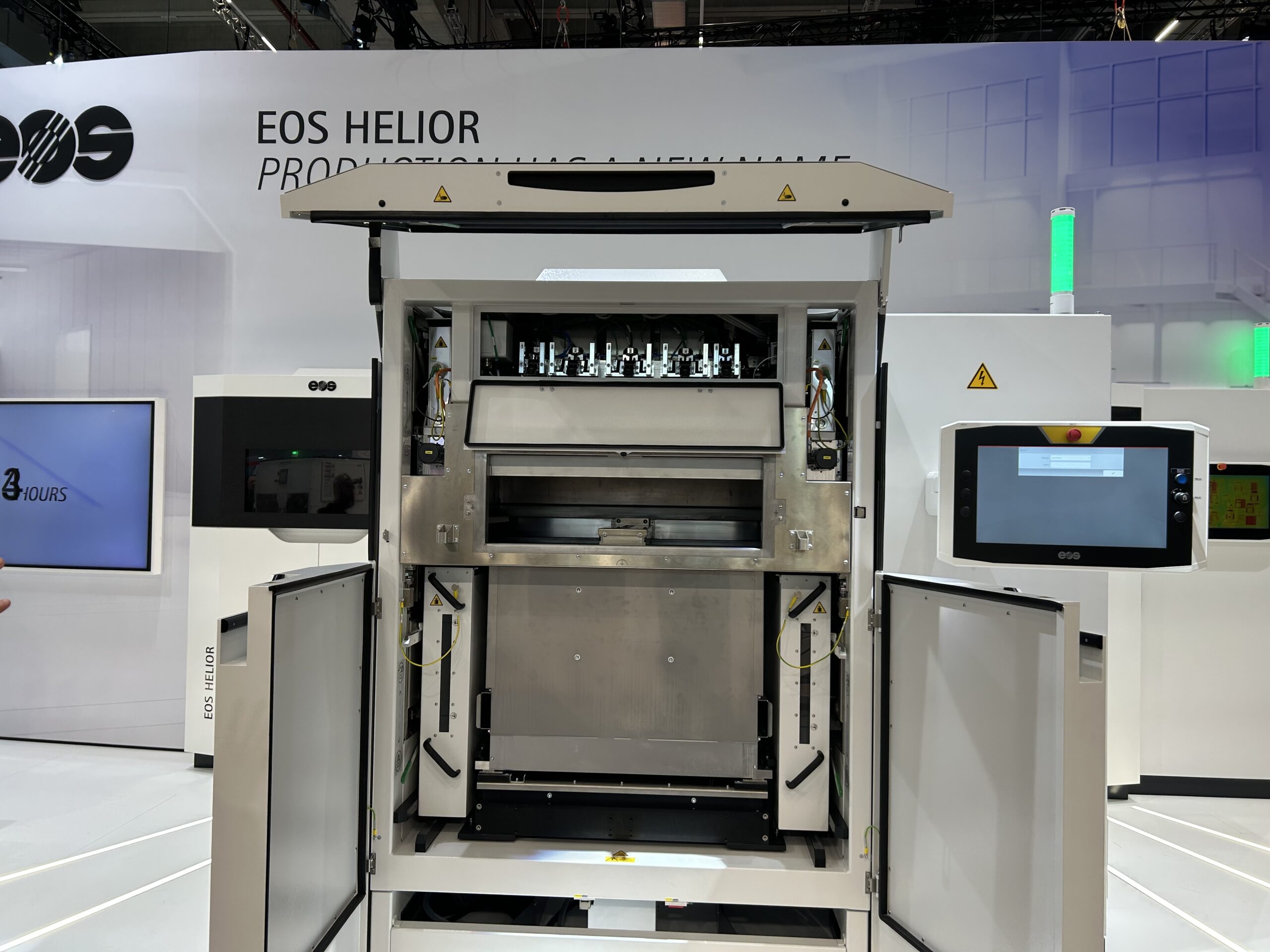
Build volume: 700 × 380 × 580 mm
Lasers: Three 70 W lasers with dynamic load balancing
Throughput: 154 liters at 10% packing density in a 24-hour build cycle
Price: On request; commercially available from December
EOS opened orders for HELIOR, its largest polymer platform to date. The three-laser SLS system was validated before launch by five contract manufacturers, and the early figures are striking: Materialise has reported a 44% productivity gain and FKM Additive Manufacturing boosted its productivity by 67%.
HELIOR is built for contract manufacturers and high-mix production that runs around the clock, completing a full build in a single 24-hour cycle. A new adjustable roller recoater and geometry-aware exposure parameters cut post-processing by up to 80%, while keeping part properties consistent across the whole chamber.
3. Stratasys scales up SAF 3D printing with the H550
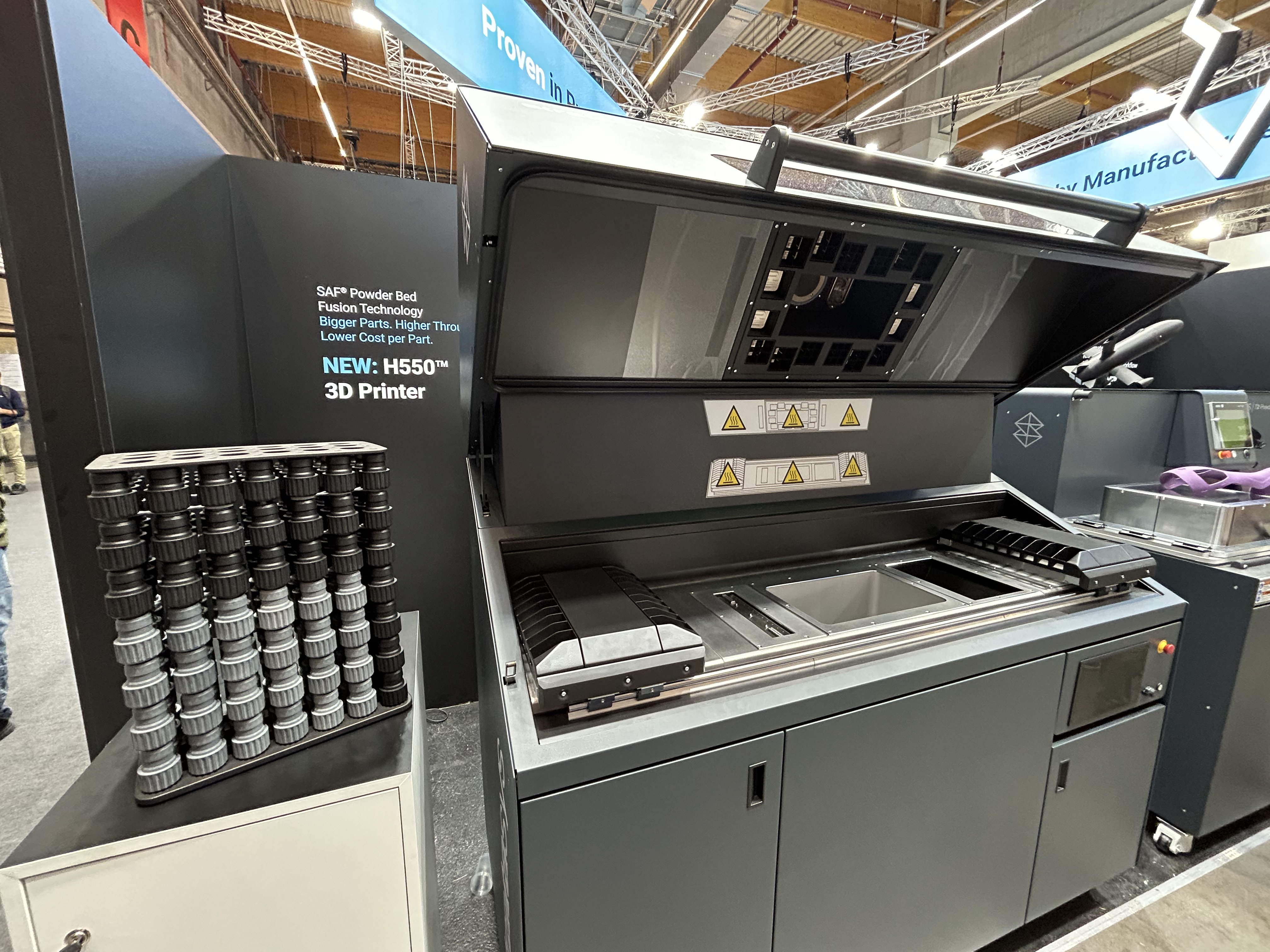
Build volume: 34.2 liters, with a 450 mm long axis
Cost of ownership: Up to 30% lower than comparable print-and-fuse systems
Post-processing: PowderEase T2 serves up to six H550s, with under 30 minutes of operator time per build
Price: On request; pre-orders open, availability planned for Q2 2027
Stratasys has nearly doubled the capacity of its Selective Absorption Fusion line with the H550. The machine creates parts 20% longer than the leading comparable system, offers faster builds than SLS, and up to 30% lower total cost of ownership.
Alongside it, the new PowderEase T2 automates powder recovery, sieving, and dosing, letting one operator keep a whole cell of machines running. Stratasys also gave the F870 FDM printer a European debut – a system with a heated chamber for the large jigs, fixtures, and tooling already in use at Toyota and Rivian.
4. 3D Systems refreshes MultiJet with the MJP 300
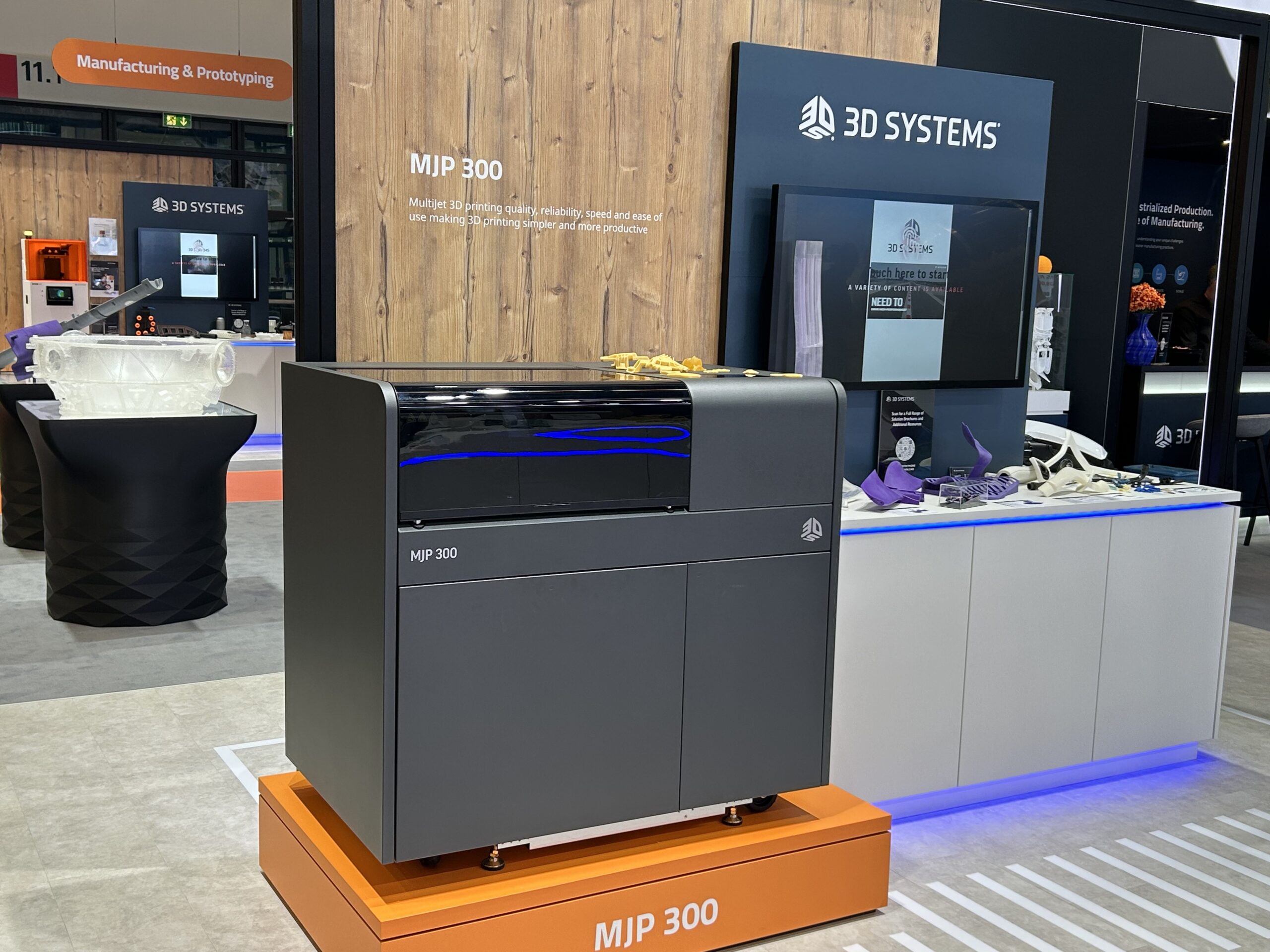
Layer thickness: 16 microns in XHD mode, at 1600 × 900 dpi
Build volume: 294 × 211 × 144 mm, divisible into three lanes
Software: Digital rights management in 3D Sprint; AddiTrak fleet management
Price: On request; sales open in Q1 2027
3D Systems brought a new generation of its MultiJet technology to Frankfurt. The MJP 300 adds a 16-micron XHD mode for fine threads and smooth curves, while a three-lane build area lets operators group small or tall parts for maximum throughput.
A new DRM tool in 3D Sprint also caps how many times a file can be printed on specific workstations, protecting customer IP in distributed production, and AddiTrak monitors entire fleets. These tools are ideal for prototyping and pattern casting.
5. Bambu Lab brings H3C and its first laser cutter
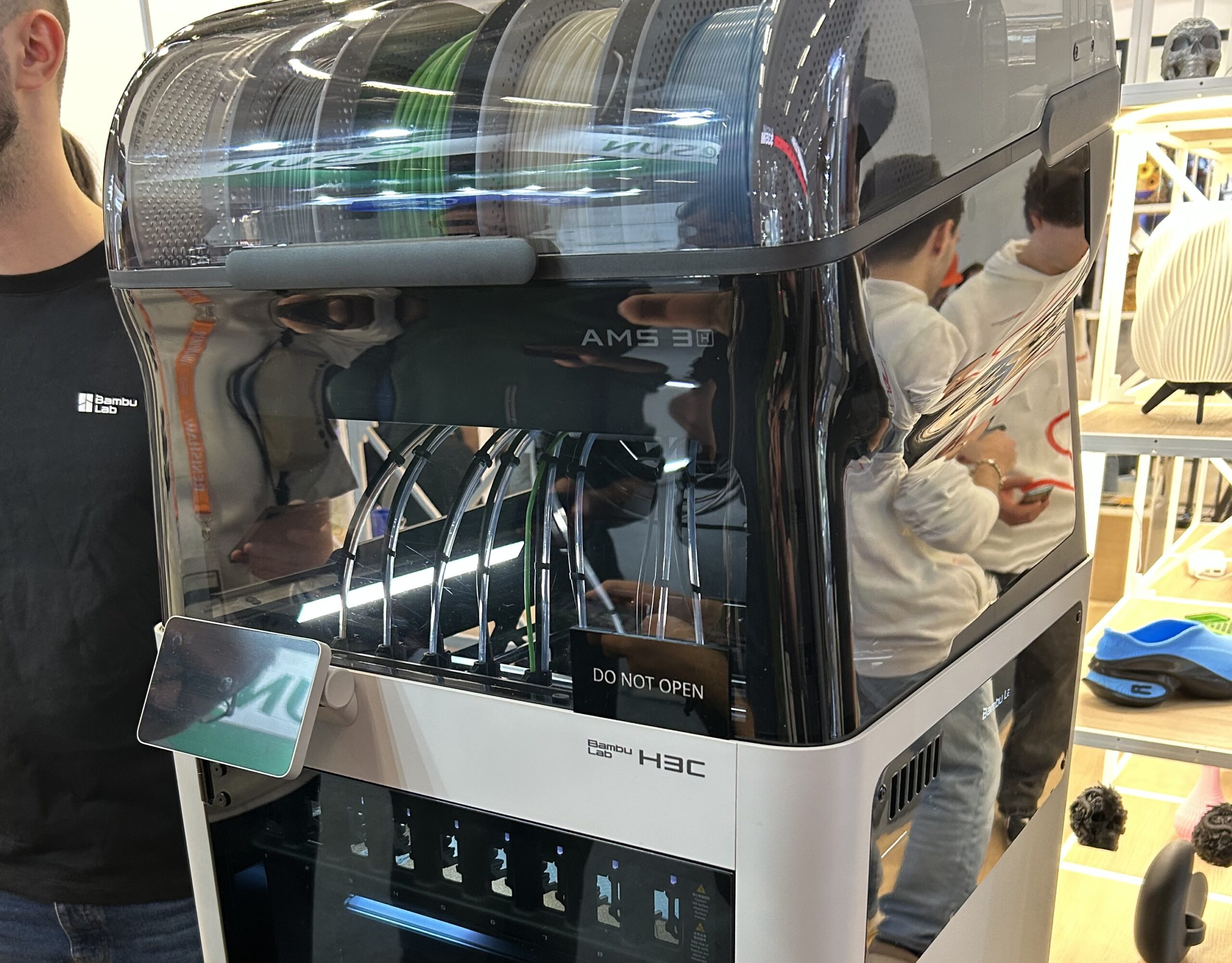
Print tools: Nine on the H3C, switching materials in under six seconds
Build volume: 330 × 320 × 325 mm (H3C)
Laser: 55 W CO2 with a 600 × 300 mm work area (R1)
Price: H3C from US$2,499 (AMS Combo); R1 €2,499 incl. VAT
Bambu Lab led with the H3C, its first 3D printer designed around a tool changer. Each of the machine’s nine print tools has its own heater and filament path, so a single part can combine colors, as well as rigid and flexible materials.
It also introduced the R1, a 55-watt CO2 laser cutter and engraver. It cuts wood, acrylic, leather, and card at up to 1,000 mm/s, giving print farms and small workshops a second fabrication process inside the same ecosystem.
Creating professional-grade 3D models
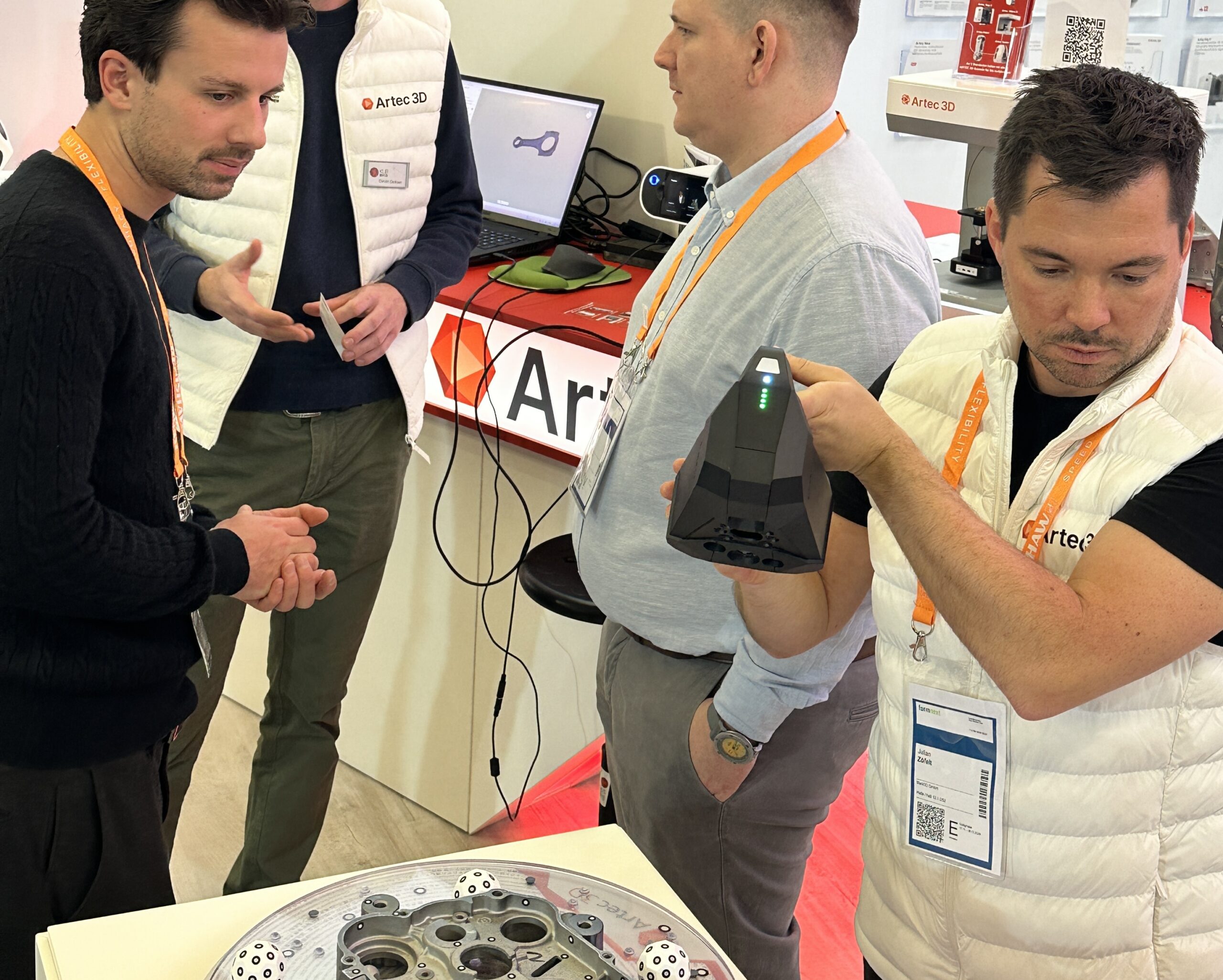
All 3D printers require accurate digital models before they can produce accurate parts. When that part already exists as a worn casting, a legacy component with no drawings, or a hand-finished prototype, 3D scanning is the fastest route to CAD.
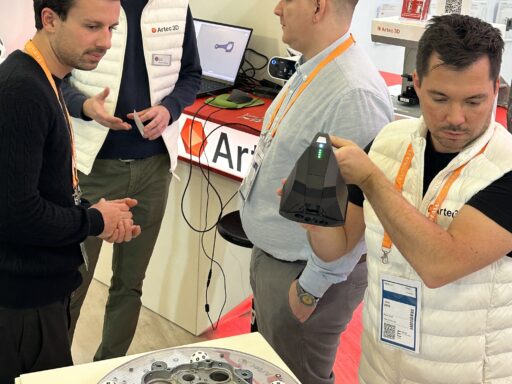
Artec 3D’s professional-grade handheld 3D scanners capture production parts in minutes, and Artec Studio turns resulting datasets into editable CAD with built-in reverse engineering tools, including auto-surfacing, fillets, chamfers, and draft angles, and exports STEP files. Artec Point II handles dark and shiny metal parts, while Artec Neo places targets only on the features that carry fine tolerances.
The same scanners close the loop once parts come off the build plate. Mesh-to-CAD deviation analysis in Artec Studio shows exactly where a printed part departs from its design, so teams can adjust parameters before the next batch. Read about reverse engineering with Artec 3D or contact sales@artec3d.com to find out more.