
Engine swaps have long been a staple of car customization, and the more unlikely the pairing, the more attention they tend to attract.
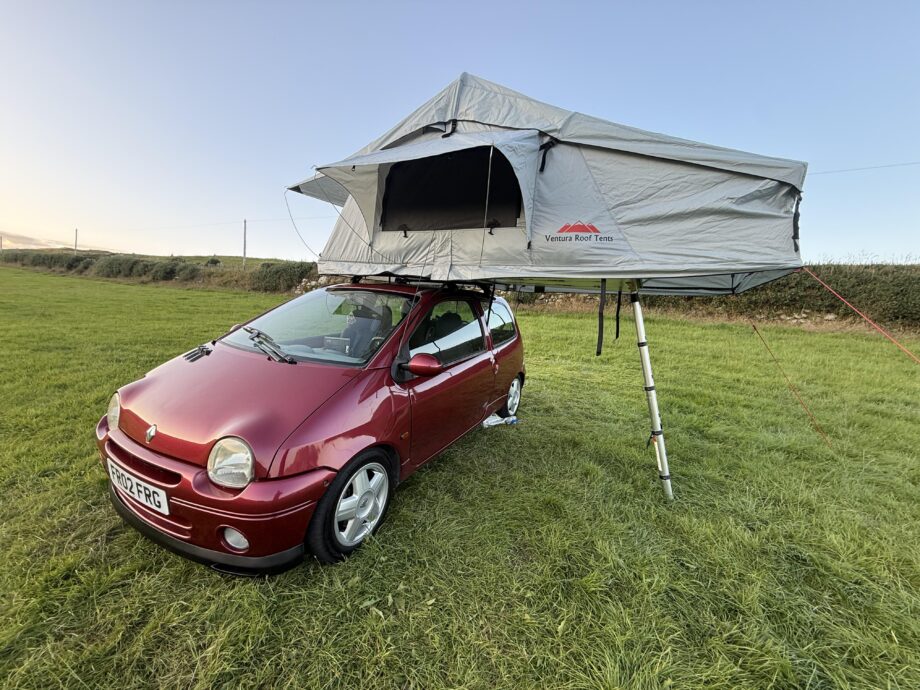
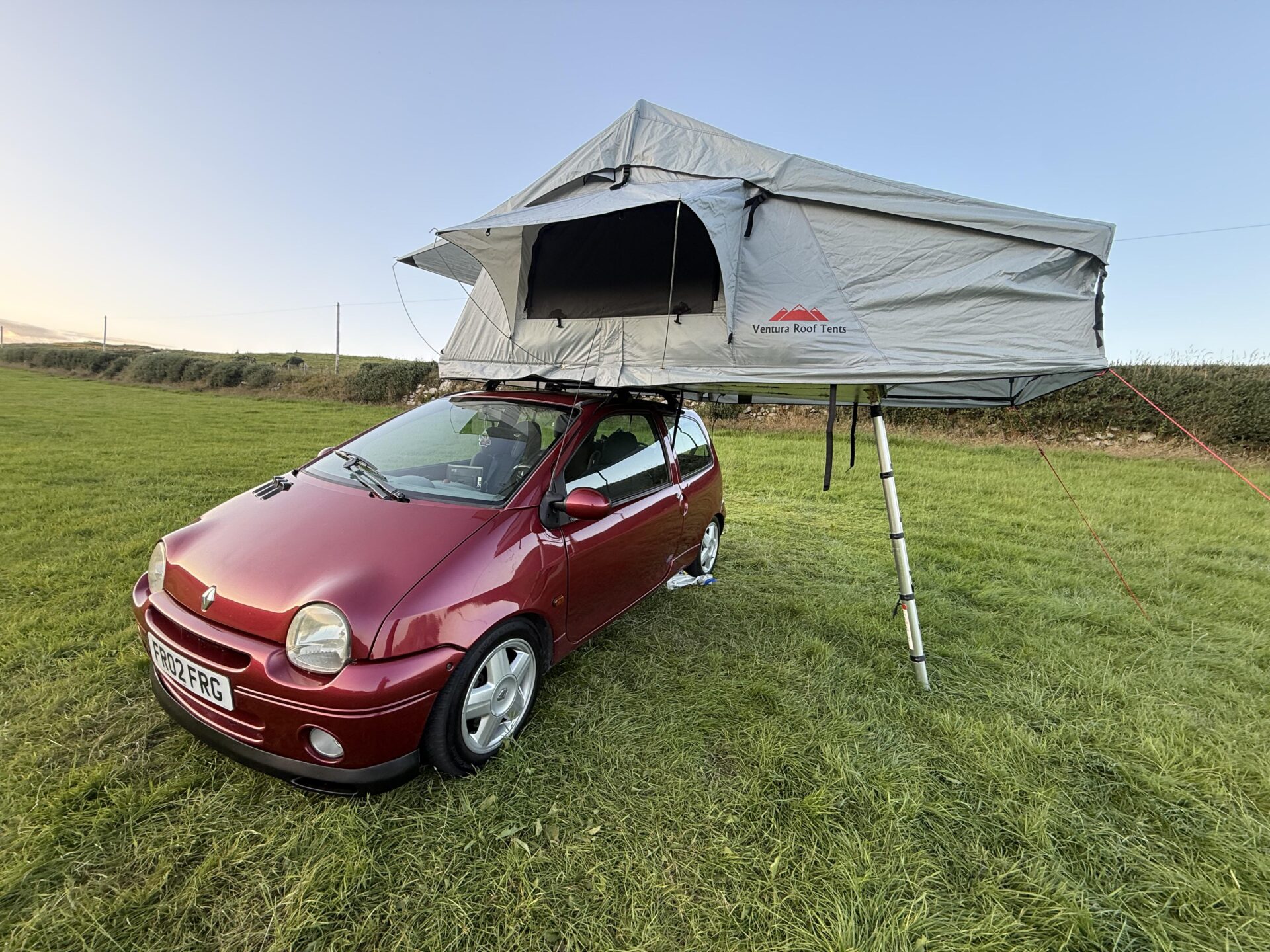
One recent example that should get petrol heads’ motors running involves a first-generation Renault Twingo. Using 3D scanning and AI, a Reddit user recently revealed that he’d managed to install a whopping great big Volkswagen 1.8-liter, 20-valve turbocharged engine into a tiny little hatchback – giving it an incredible level of oomph.
Fitting a different engine into such a small car creates obvious packaging problems, the biggest being how to mount it securely in a bay that was never designed for it. Traditionally, this issue has been resolved through repeat test fitting, measuring and adjustment. In this case, much of that work has moved into the digital age.
Scan-to-CAD over trial-and-error
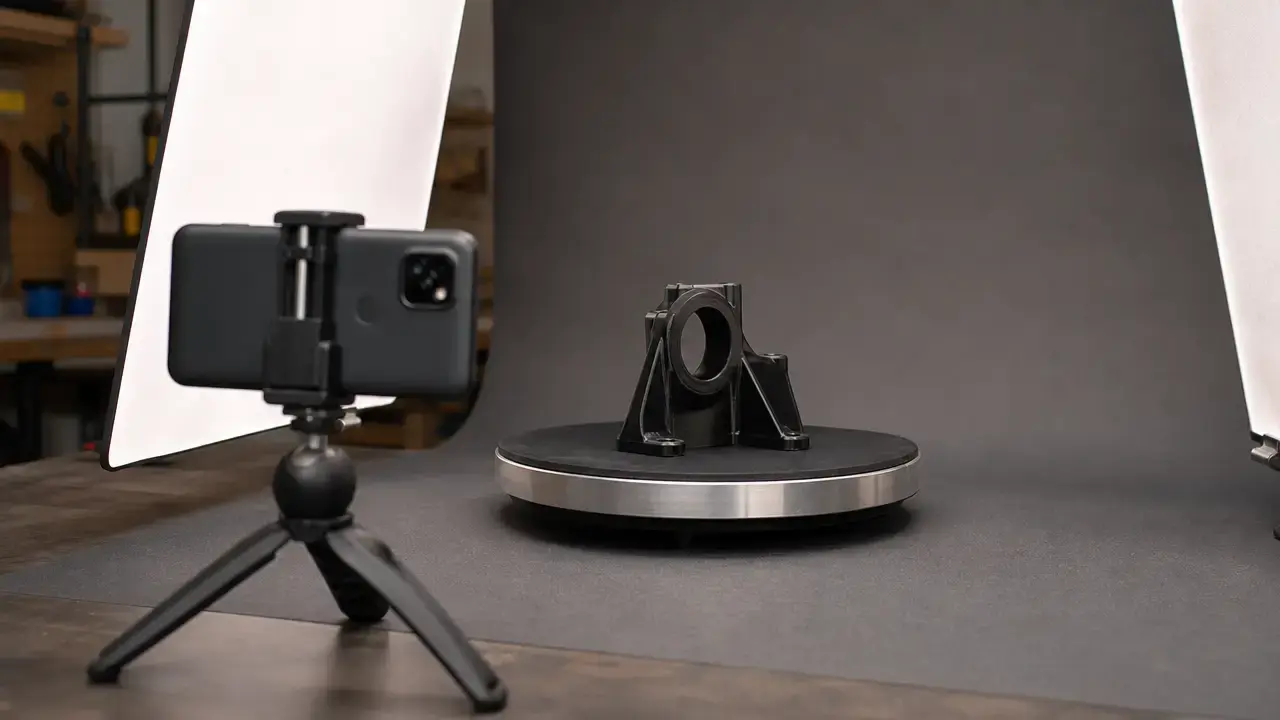
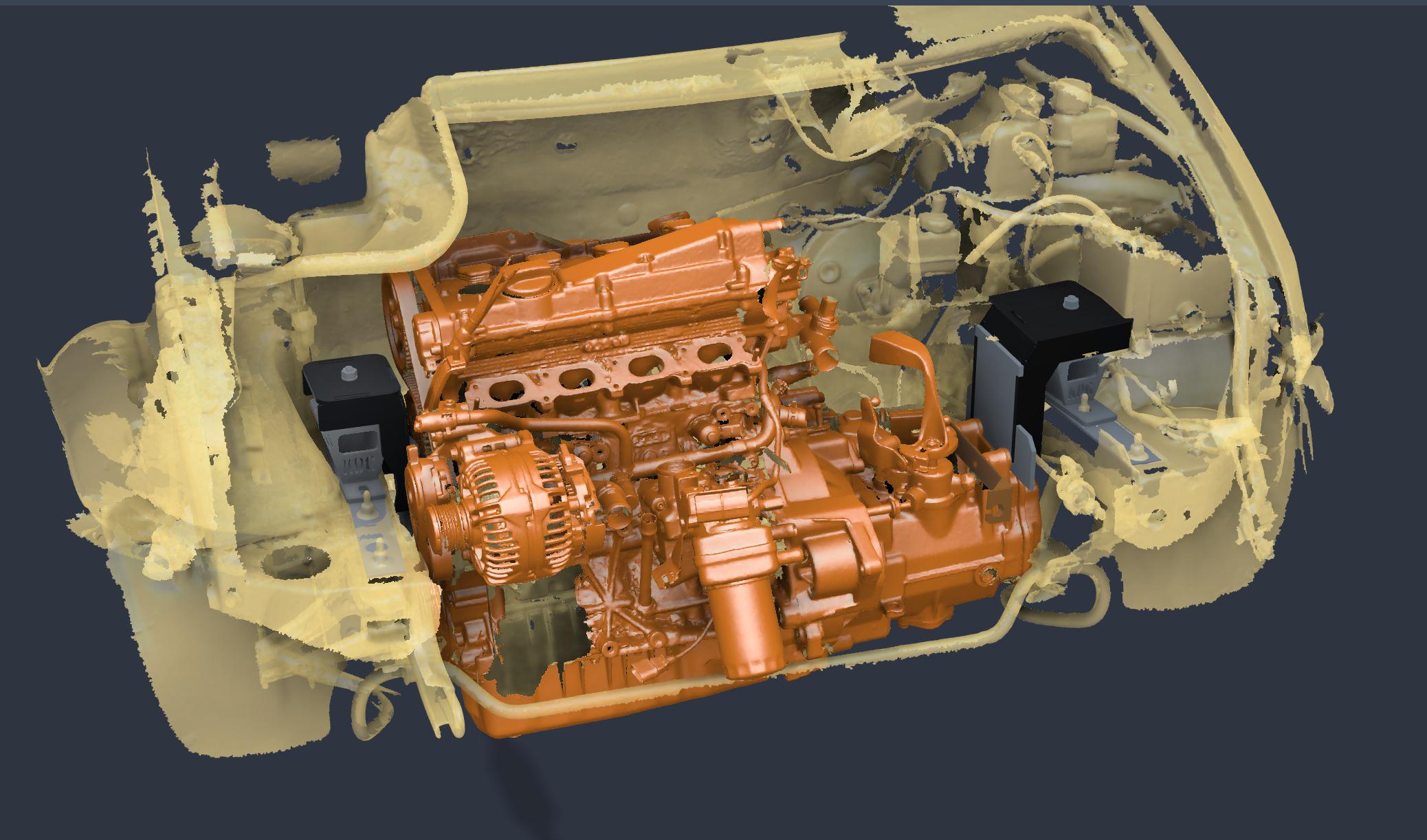
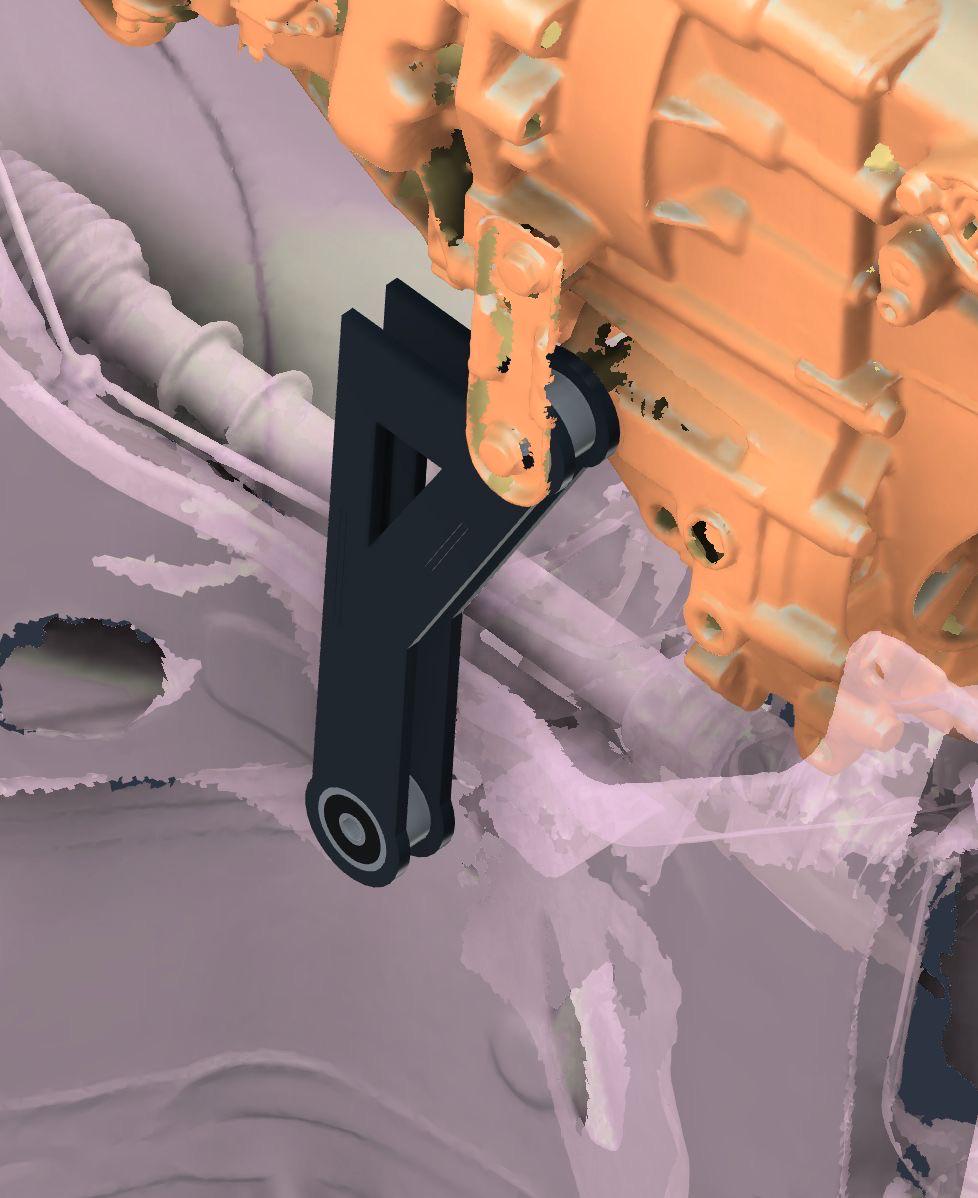
This Reddit auto enthusiast captured the Volkswagen engine and relevant sections of the Twingo with a handheld 3D scanner, then brought the data into computer-aided design (CAD) software to work out where the engine would sit. Positioning it digitally spared him from repeatedly hoisting, moving and measuring the engine inside the car. He also credited ChatGPT with helping him align the scans and develop the mounts.
Custom engine mounts are usually where a swap demands the most trial and error, and this is where the digital approach paid off most. According to the user, his custom parts have so far fitted as intended, and he described the ability to visualize the build on screen as a major improvement over conventional fabrication.
The project is being documented on the YouTube channel Kris Duprey’s Garage, where a video covering the engine swap is set to be released. At the time of posting, the engine is expected to be up and running within two weeks, although the swap is still underway and its final performance remains to be seen.
Twingo madness: Reddit users react
Many commenters were enthusiastic about the prospect of a turbocharged Twingo, with some predicting it would be unexpectedly fast. One user noted that the car’s low weight means even a modest power increase would be noticeable, particularly if the build reaches the roughly 250 hp figure discussed in the thread.
Others were more interested in the technology, asking how affordable 3D scanners are and whether they could simplify their own swaps. One user with around 20 years of engine-swap experience said digital scanning would make the job considerably easier than the methods he had relied on. The builder conceded that his scanner had been an expensive purchase, but said it had already helped a great deal.
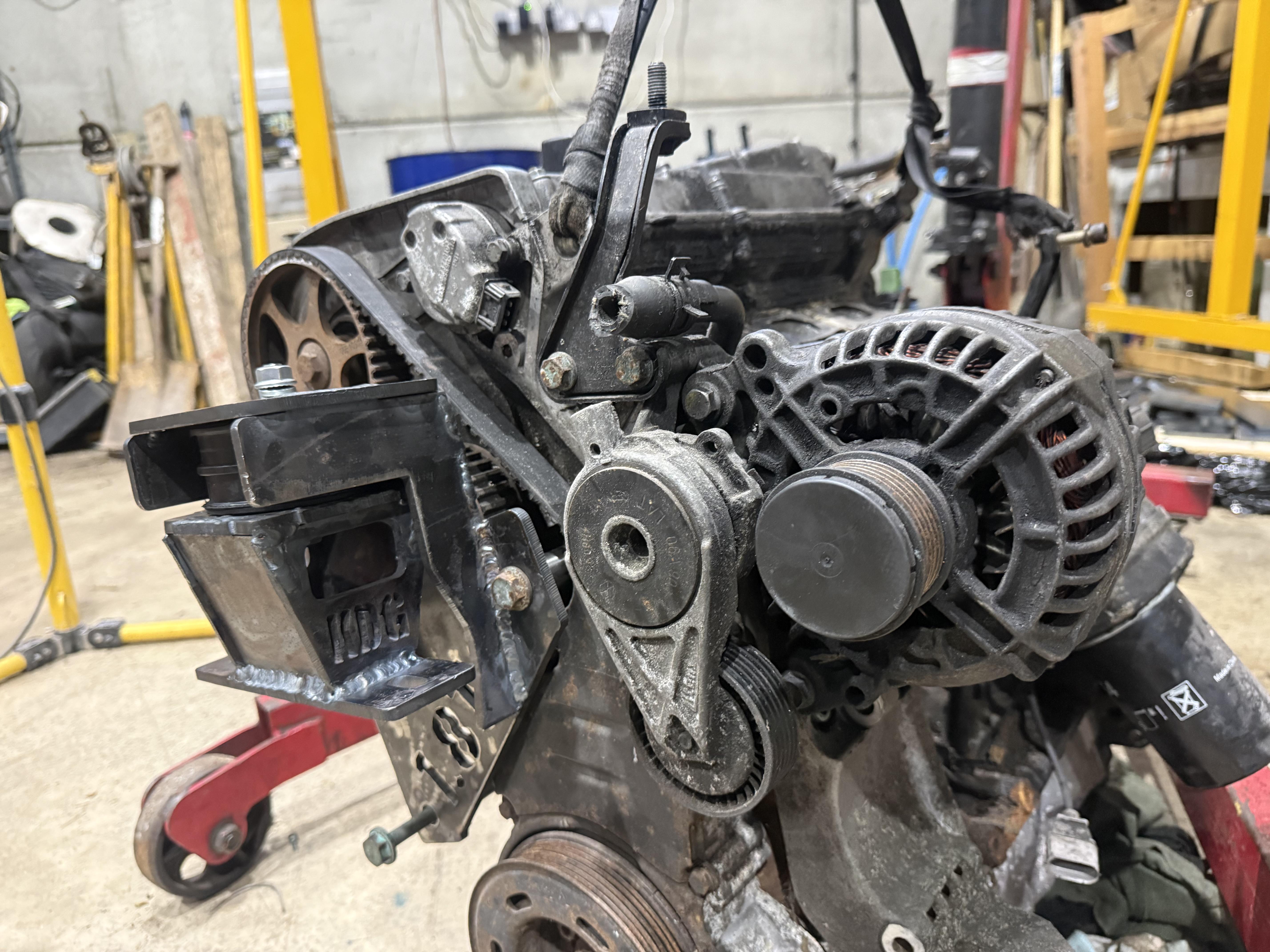
Kris Duprey’s Garage.
3D scanning for automotive
While the Twingo is a hobby project, the same approach is well established among professional modders and manufacturers.
Artec 3D scanners are widely used in automotive applications, where accurate data on chassis, body panels and engine bays allows new parts to be designed digitally before any metal is cut. Australian workshop Scratch Build Co, for example, used Artec Leo to scan the chassis and suspension of a 1957 International Metro van before fitting it with a Hellcat engine, using the scans as a reference for new chassis components in SOLIDWORKS.
For readers considering a similar project, 3D Mag has previously covered what car 3D scanning actually takes, from dealing with occluded areas like engine bays to turning raw data into a usable model, as well as how Artec Leo is used in automotive work.
To find out more about this overpowered Twingo, stay tuned to Kris Duprey’s Garage: https://www.youtube.com/@krisdupreysgarage/videos