
A new 3D technology could revolutionize how objects are protected from heat and thermal detection. According to the University of Illinois Urbana-Champaign, researchers have designed the first all-3D thermal cloaking device that can make objects invisible to infrared cameras while shielding them from extreme temperatures.
Detailed in Nature Communications, the study describes how the invention works from almost any angle, unlike previous thermal cloaking designs, which worked only in two dimensions or from a single direction. Instead of blocking heat, the cloak guides thermal energy around an object so that an infrared camera detects a temperature pattern as if the object were not there.
“A real thermal cloak should work no matter where the heat comes from,” said Shelly Zhang, professor of civil and environmental engineering at the University of Illinois Urbana-Champaign. “Our device can hide a complex 3D object in an infinite number of directions while keeping the temperature inside stable and protected.”
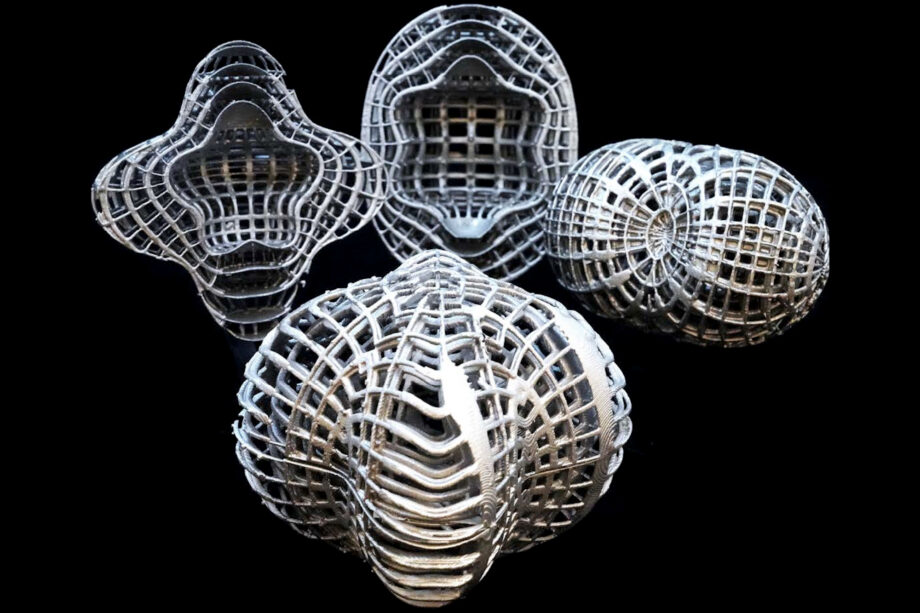
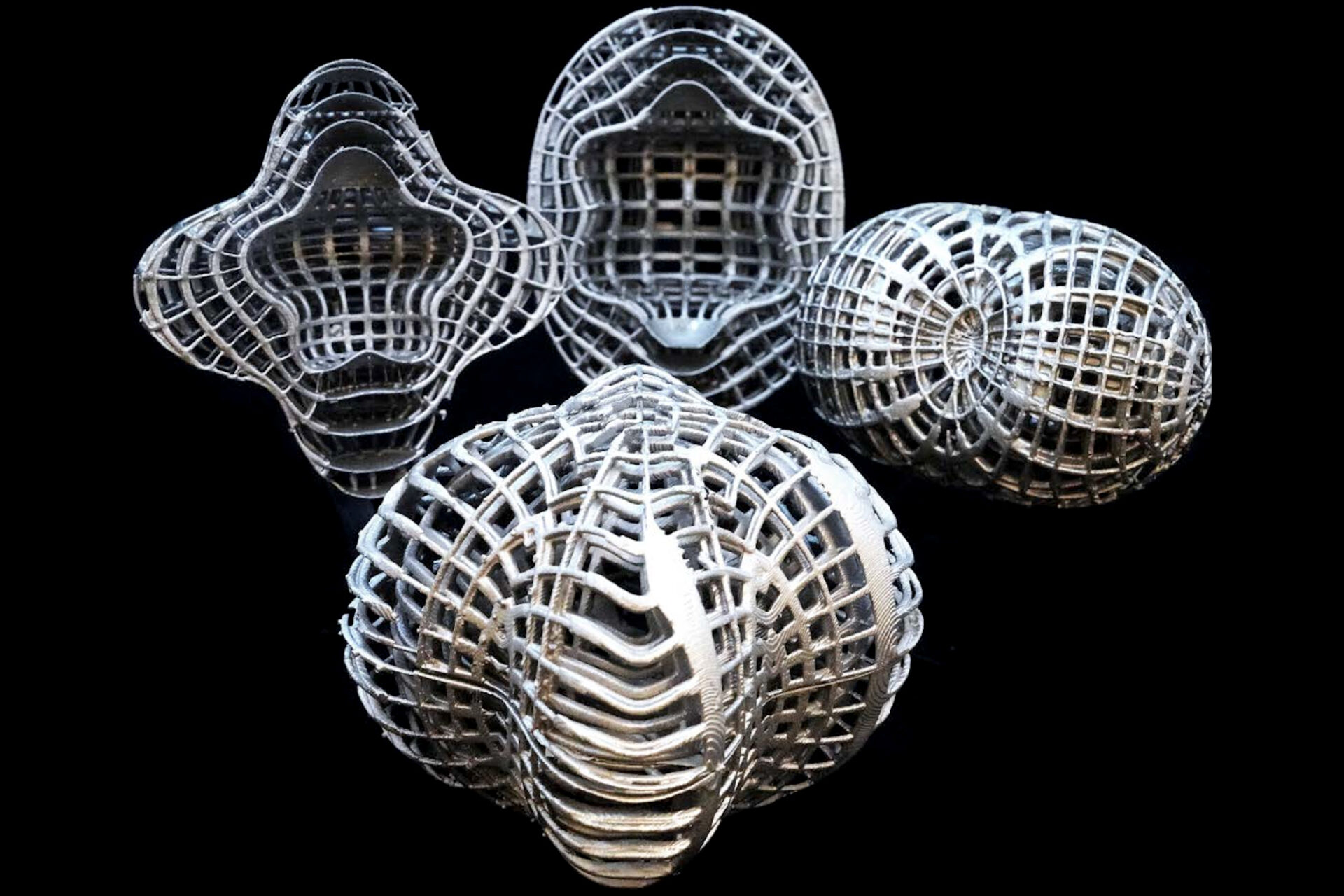
The breakthrough is built on a lattice-style material structure that can be adjusted in three directions to precisely control heat transfer. By tuning the geometry of the lattice, researchers can create a wider range of thermal properties than previous approaches, bringing the design closer to the requirements of an ideal cloak.
The team includes Zhang, postdoctoral researcher Weichen Li, graduate student Yibo Wang, and professor Ole Sigmund from the Technical University of Denmark. Together, they built and tested a physical prototype, combining 3D-printed aluminum with molded rubber: the aluminum lattice directs heat efficiently, while the rubber-like material slows heat transfer.
In lab tests, researchers placed the cloak between hot and cold regions and used an infrared camera to track heat movement. The results showed that heat flowed around the protected area while the temperature inside remained stable. The team also tested complex 3D shapes, including head-like geometries, demonstrating performance beyond previous experimental thermal cloaks.
Potential applications include managing heat around sensitive electronics, protecting equipment in harsh environments, and reducing thermal visibility in security and defense settings.
“Any field that needs precise control of heat or needs to protect something from being detected thermally could benefit from this work,” Zhang said. “It’s about hiding and protecting information that is carried by heat.”
The researchers are now exploring smart thermal cloaks that could actively manipulate heat, not just hide or protect objects. As Zhang explained, “The next step is to make cloaks that don’t just hide and protect, but also actively manipulate heat in useful ways.”