
A new study from EPFL, published in Science Advances, demonstrates how a material originally designed for improved 3D printing has suddenly solved one of the biggest challenges in elastomer research: creating a material that is both highly resistant to breaking and durable enough to withstand repeated mechanical stress over time.
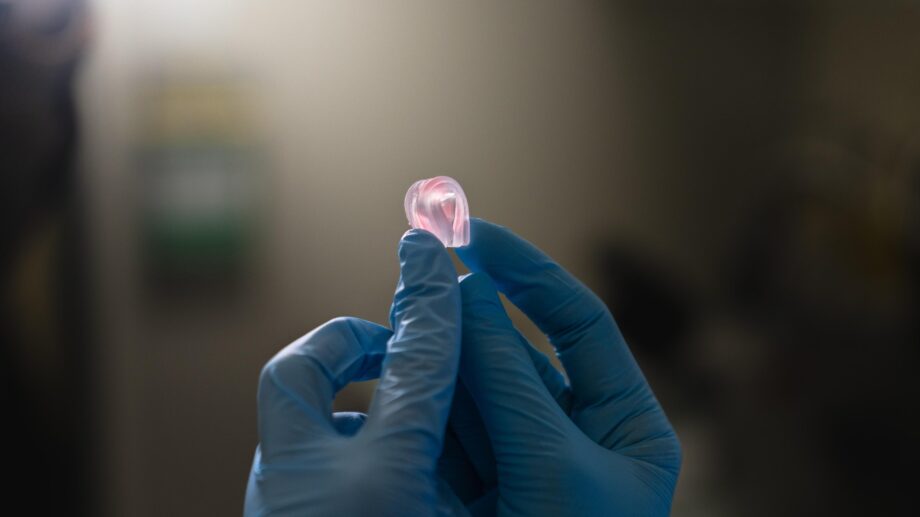
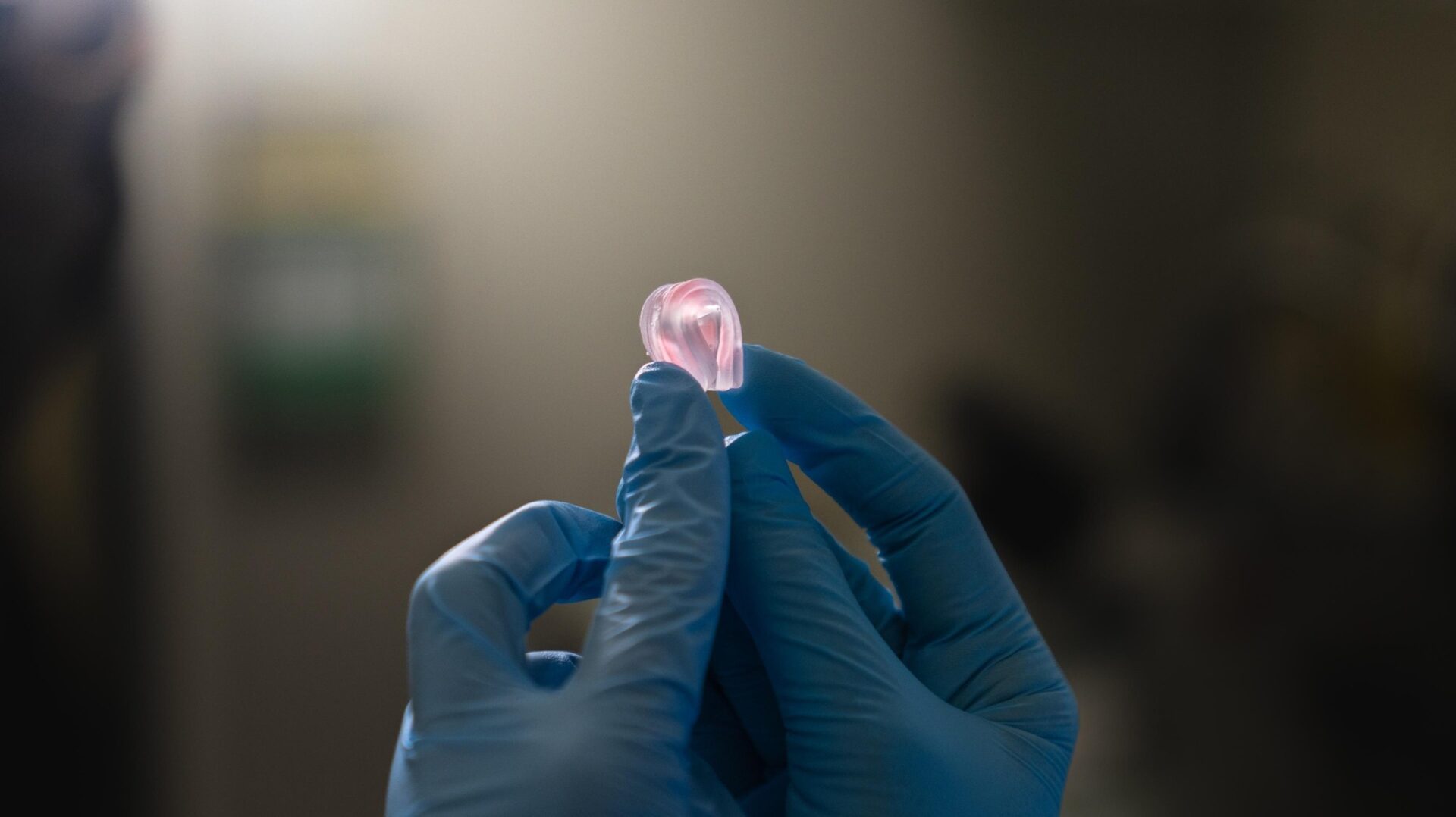
At the core of this breakthrough are double network granular elastomers (DNGEs), a class of rubber-like materials first introduced by researchers from EPFL’s Soft Materials Laboratory (SMaL) in 2024. Originally developed as advanced 3D-printing “inks,” DNGEs are made from microscopic elastomer particles linked together by a softer elastomer network. This architecture enables engineers to precisely tune the mechanical properties of printed parts while also creating an unprecedented combo of strength and longevity.
“Originally, our focus was on improving processibility, but once we had the granular structure, we discovered that these materials are also very tough,” said Esther Amstad, head of the Soft Materials Laboratory. “Then, we realized that a lot of this toughness came from repetitive energy dissipation mechanisms – the material could absorb energy over and over without irreversibly breaking.”
That balance is particularly significant because most elastomers force designers to choose between fracture resistance and fatigue resistance. Materials that resist cracking often wear out under repeated loading, while those that survive countless cycles are typically easier to tear during sudden stretching or impact.
According to Amstad, DNGEs overcome this trade-off because “the two different networks – one made of granular elastomer particles and one of soft elastomer – share mechanical strain between them, making the material stronger overall.”
In laboratory tests, the optimized DNGEs achieved fracture toughness up to 15 times higher than comparable elastomers and fatigue resistance up to three times greater. Instead of breaking polymer bonds, the material repeatedly dissipates energy as polymer chains slide and rearrange within the softer regions.
The findings promise the creation of longer-lasting 3D-printed soft robots, flexible electronics and biomedical devices, where components undergo continuous bending, stretching and deformation. At the moment, the EPFL team is exploring biodegradable and recycled elastomers to make the technology more sustainable.
“Our aim is to implement more sustainable materials without compromising on mechanics,” Amstad said. “By increasing the scope of materials we can use, we can not only reduce the DNGEs’ environmental footprint, but also make them even more widely accessible to any lab with a commercial 3D printer.”