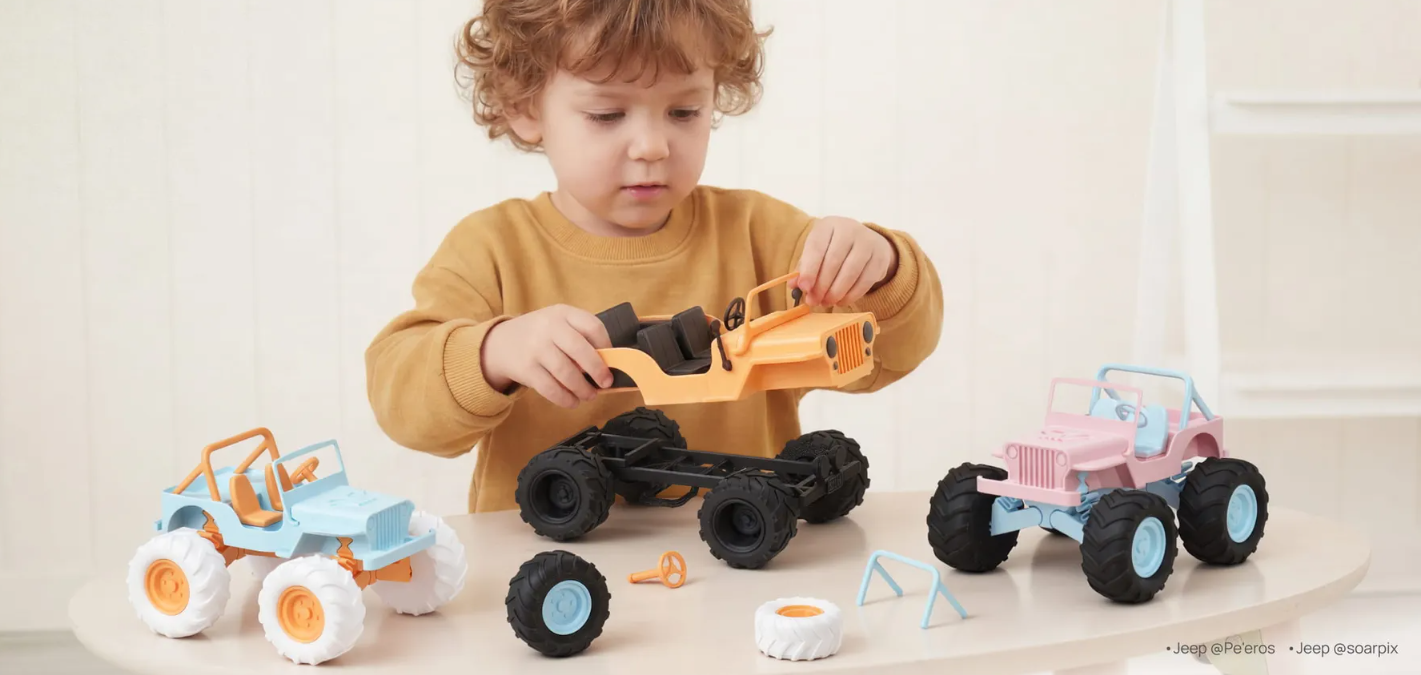

Bambu Lab has launched PLA Pure, a new filament designed for consumer 3D printing that combines a simplified material formula with certifications focused on safety, indoor air quality, and everyday usability.
The company says that PLA Pure was engineered specifically for use in living spaces, where desktop 3D printers are increasingly becoming part of the home. The filament is made from just five ingredients: polylactic acid (PLA) derived from corn and sugarcane, acrylic copolymer, color pigments, ethylene bis-stearamide (EBS), and talc.
According to Bambu Lab, “Every ingredient appears on the EU 10/2011 positive list,” the European regulation governing plastics intended for food contact. Rather than certifying only the finished product, the company notes that PLA Pure was “verified ingredient by ingredient, from the base material to the pigments.”
Another focus during development was indoor air quality. PLA Pure has received UL 2904 GREENGUARD certification, a standard that measures particulate matter and volatile organic compound (VOC) emissions from 3D printing. Bambu Lab reports that particle and VOC levels during printing fall below what’s typically present in an average kitchen, living room, or office. In laboratory testing, the material also produced lower PM2.5 and PM10 emissions than a comparable filament under identical conditions.
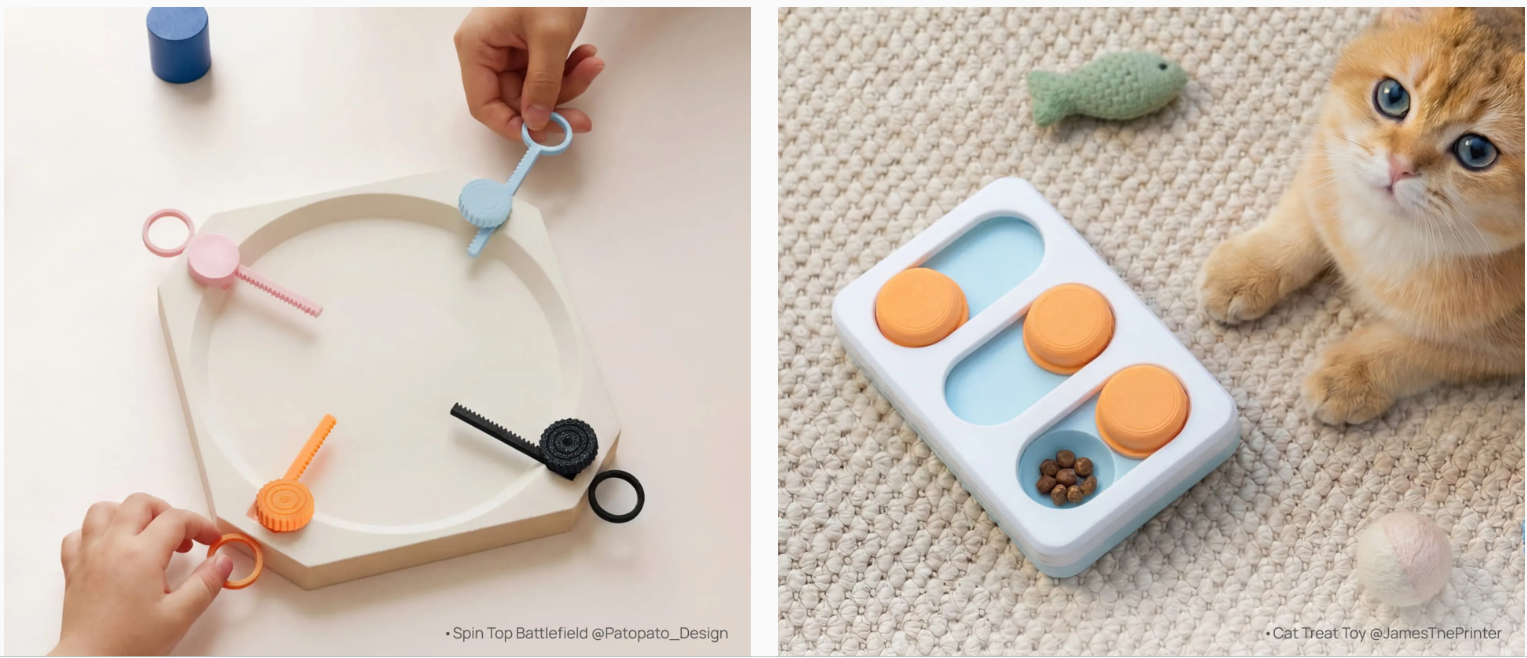
Beyond certifications, PLA Pure was developed to deliver reliable print performance without relying on a long list of additives. “To keep the formula to five food-safe ingredients, Bambu Lab rebuilt the formulation from scratch,” the company said in a statement. The result? Less residue, minimized nozzle buildup, more consistent extrusion, and less stringing, even with no prior drying.
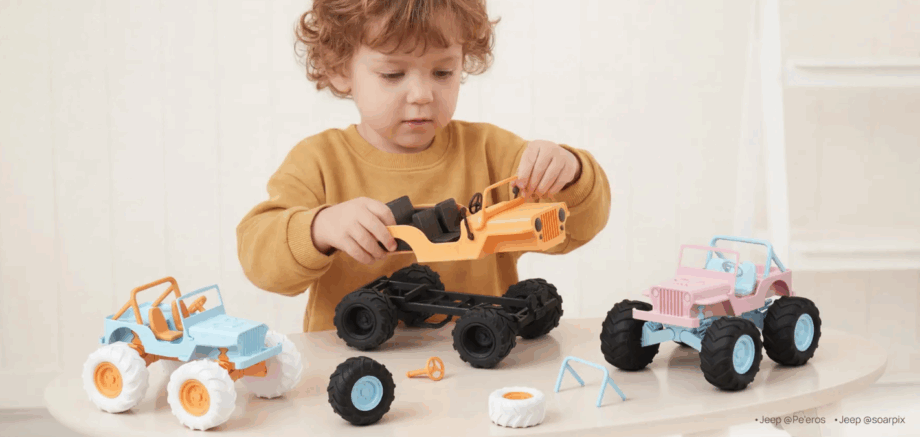
The filament has also passed EN 71-3 certification, a European standard covering the migration of elements such as lead, cadmium, and chromium from toy materials. While Bambu Lab notes that finished objects must still be evaluated for their intended use, the certification supports applications such as toys, models, and household items.