
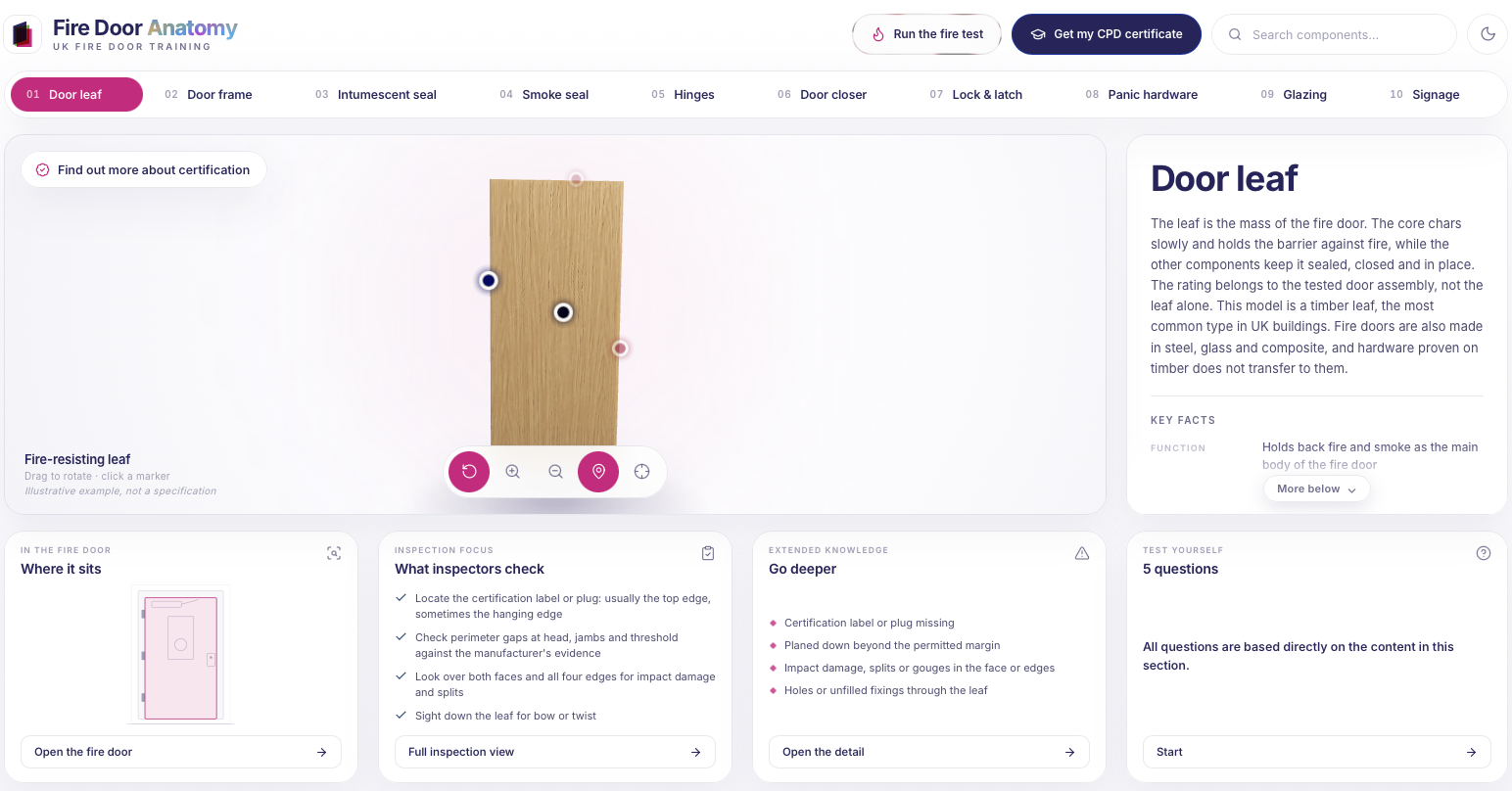
Fire doors are one of the most important forms of passive fire protection in any building, yet much of the training around them still happens on paper. UK Fire Door Training is hoping to change that with Fire Door Anatomy, a free online platform that presents a complete fire door assembly as an interactive 3D model.
Available now, the software is aimed at the people who specify, install, inspect and maintain fire doors. Alongside its 3D model, Fire Door Anatomy offers 19,000 words of technical material, an exploded view of a full door assembly, an educational fire test simulation, and a set of online tests that help users to retain what they’ve learned.
Virtually ‘fire testing’ doors
The centerpiece of the platform is a fire door assembly that users can rotate, examine, and dismantle piece by piece. Ten of the components most commonly found on fire and escape doors are modeled individually, and users can also look deep inside to see how its internal mechanism operates.
Each component is accompanied by an explanation of what it does, what it’s made from, how it should be specified, and which standards apply to it. The platform also describes the defects that most often affect each part and the points inspectors should check, which ties the material closely to the problems professionals often encounter on site.
Simulating failure
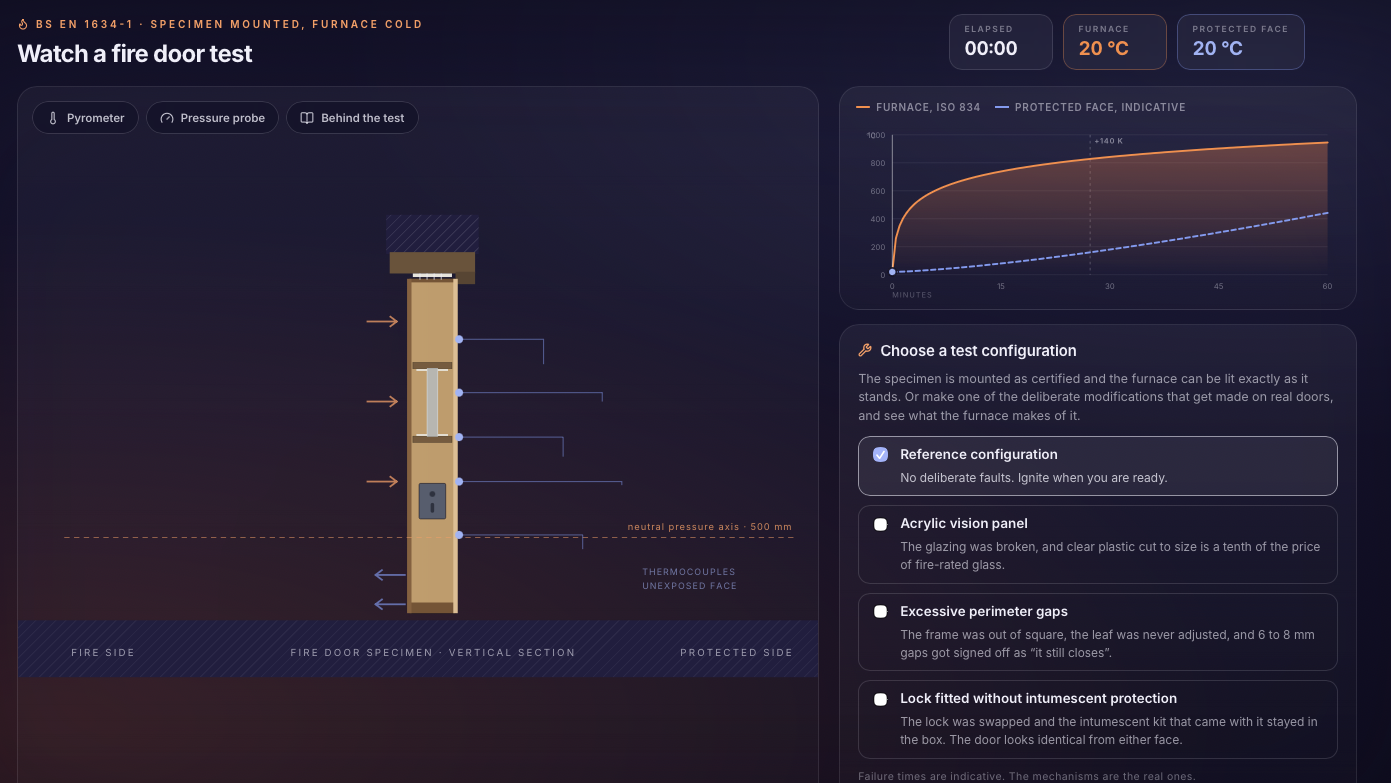
Possibly, the most important feature is the fire test simulation. Users can configure a test specimen, deliberately introduce faults and then explore how those faults might affect the door once fire breaks out. Scenarios include gaps around the leaf that exceed acceptable tolerances, glazing that is unsuitable for a fire-rated door, and a lock fitted without the intumescent protection that should surround it.
UK Fire Door Training is careful to set expectations. The simulation is designed to illustrate fire safety principles, and the company stresses that it cannot predict how a particular door would perform in a real test or a real fire.
To verify technical content, the company had it reviewed by two independent consultancies during development. Their feedback totaled 134 pages, and UK Fire Door Training says every point was considered and worked into the platform before launch.
Jonny Millard, Managing Director of UK Fire Door Training, said the goal was to make technical information easier to reach without stripping out the detail.
“Fire doors are physical systems but much of the learning around them is still delivered through flat images, slides, diagrams and PDFs,” Millard said. “Those formats still have an important place but they shouldn’t define the limit of what fire safety education can be.”
Millard added that the decision to make the platform free was intended to bring fire door knowledge to a wider audience. The company plans to release more tools and learning resources over the next 12 months as part of a broader program of product and service development.
Growing the model library
At launch, Fire Door Anatomy is built around a single exploded door assembly, ten individually modeled components and a door closer. This is a focused set covering the essentials, and any expansion of the library will depend on how quickly accurate digital versions of real hardware can be produced.
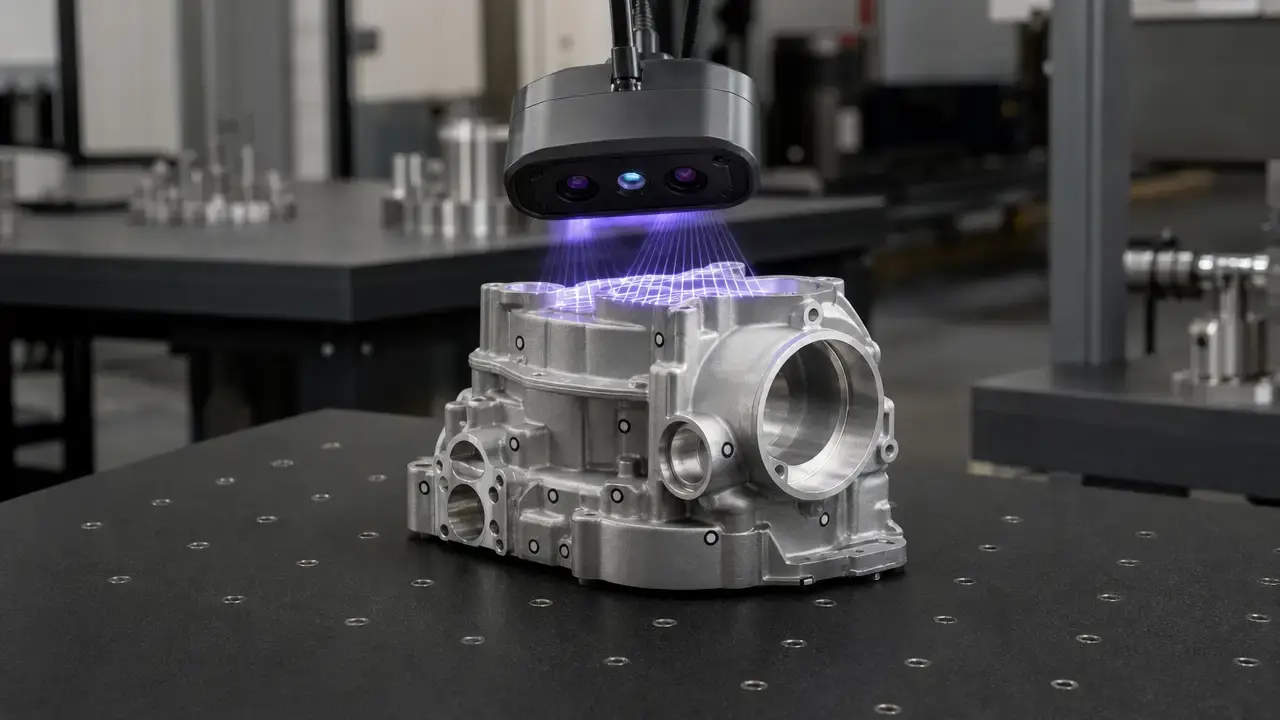
3D scanning offers a practical route to doing that. Modeling every hinge, seal, and closer by hand in CAD software is slow, whereas a handheld scanner such as Artec Leo can capture a physical component directly, recording its shape with up to 0.1 mm accuracy along with full-color texture.
Training providers could use the same approach to digitize defective hardware removed during real inspections, so learners can study a damaged seal or a poorly fitted frame exactly as it appears in the field.
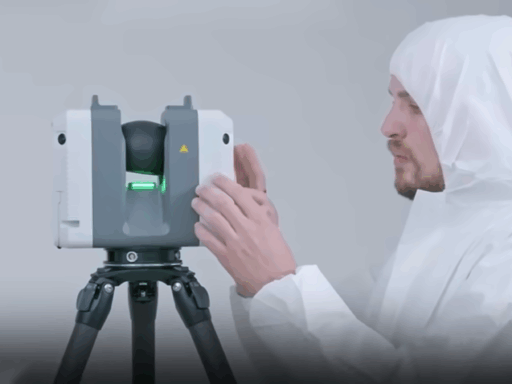
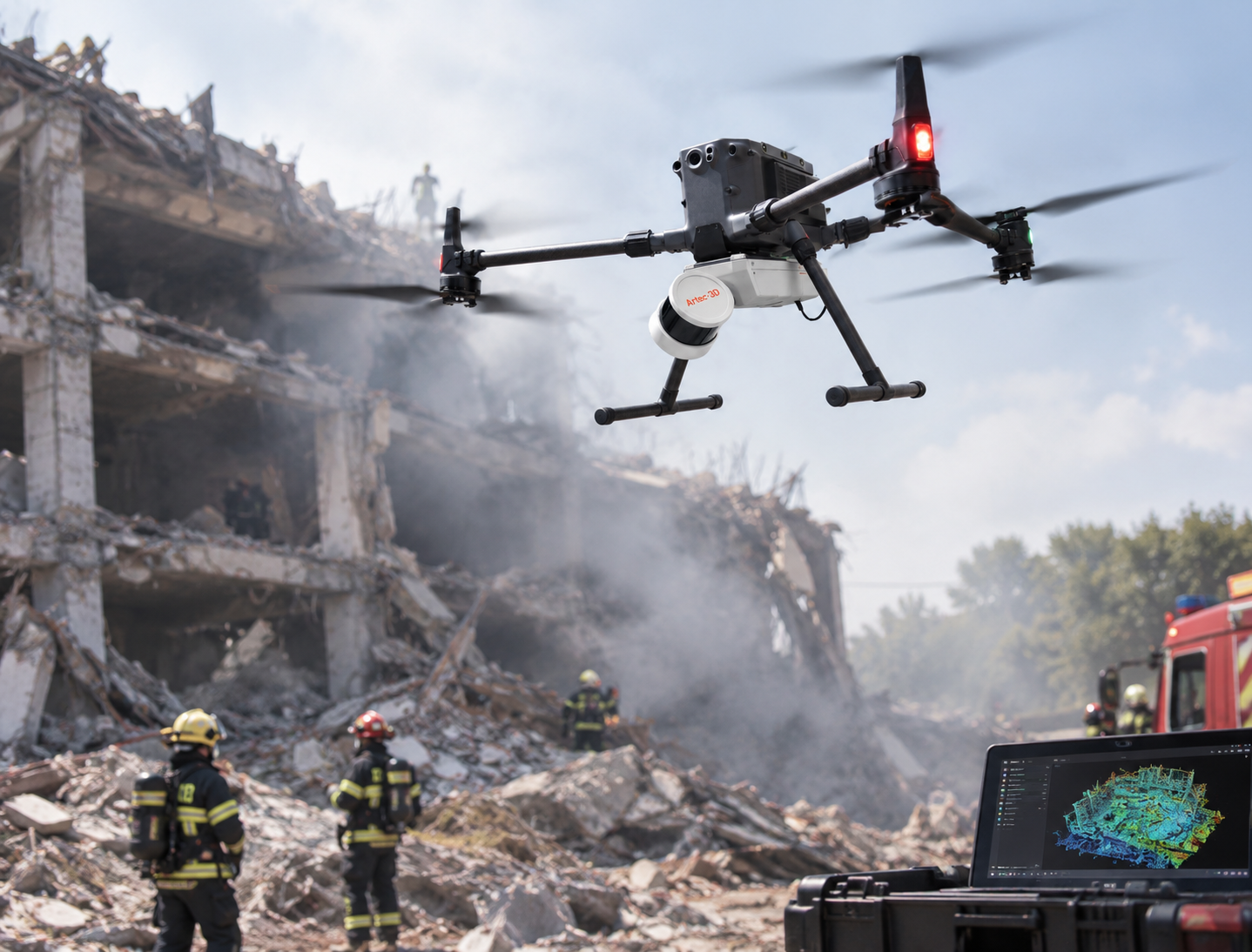
For work at the scale of an entire building, Artec Jet takes the same idea much further. The mobile LiDAR scanner maps interiors, exteriors and underground spaces with up to ±10 mm accuracy, and can be carried by hand, worn as a backpack or mounted on a drone, vehicle, or robot.
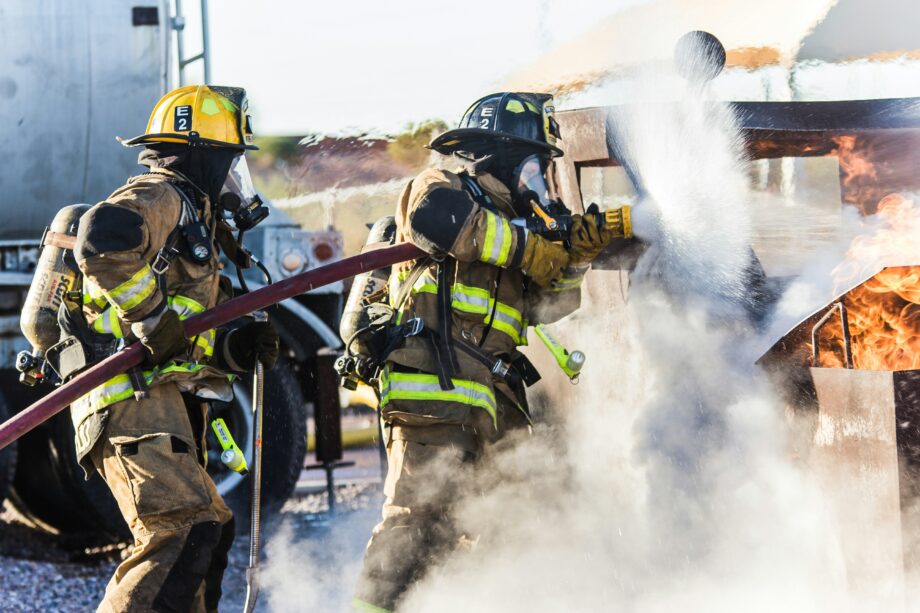
Public safety is one of its core applications: mounted on a drone, it can digitize disaster scenes and structural collapses while first responders stay at a safe distance.
You can explore some of the large-scale datasets captured by Artec Jet here. Fire Door Anatomy is available free of charge at anatomy.ukfiredoortraining.com.