
Penn State has renamed its Immersive Experiences Lab (IMEX Lab) the Immersive Commons, as part of a broader initiative to bring advanced technology onto campus.
Essentially a service department run by the Teaching and Learning with Technology (TLT) team at the university library, Immersive Commons will help staff and students realize innovative projects using VR, AR, 360-degree video, and 3D scanning.
Better addressing student needs
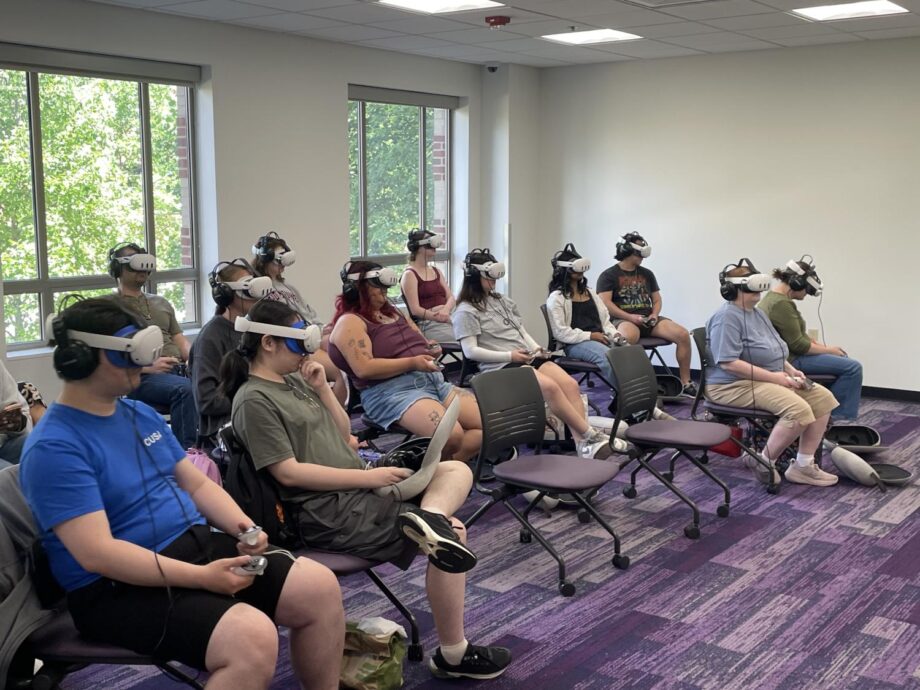
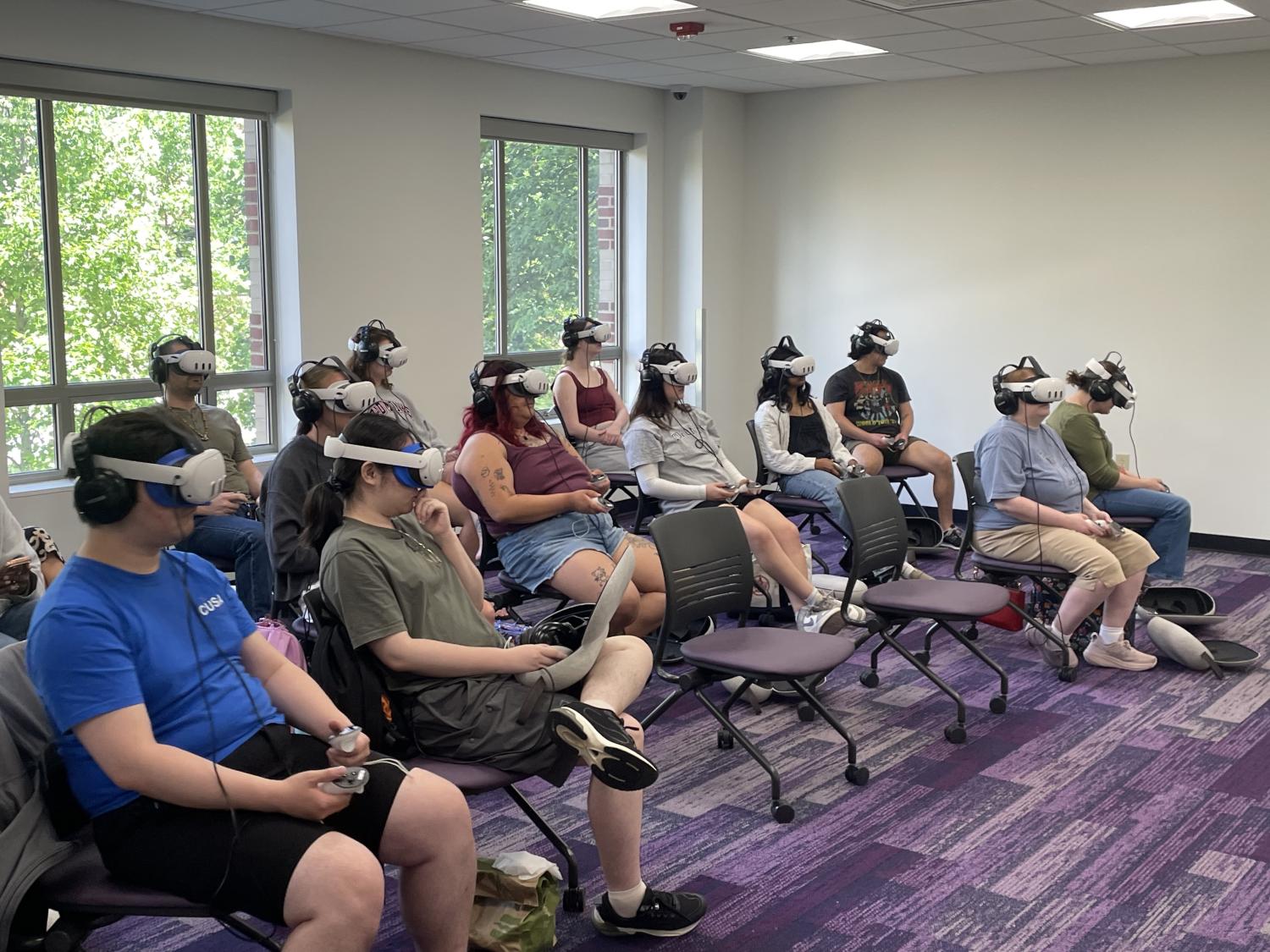
According to Penn State, the relaunch came from a need to sharpen the lab’s focus and bring its services in line with what students and faculty expect. One of its two rooms now features a larger VR space, with enough floor area for classes to take part in fully fledged experiences, and furniture that can be reconfigured for mixed-reality work.
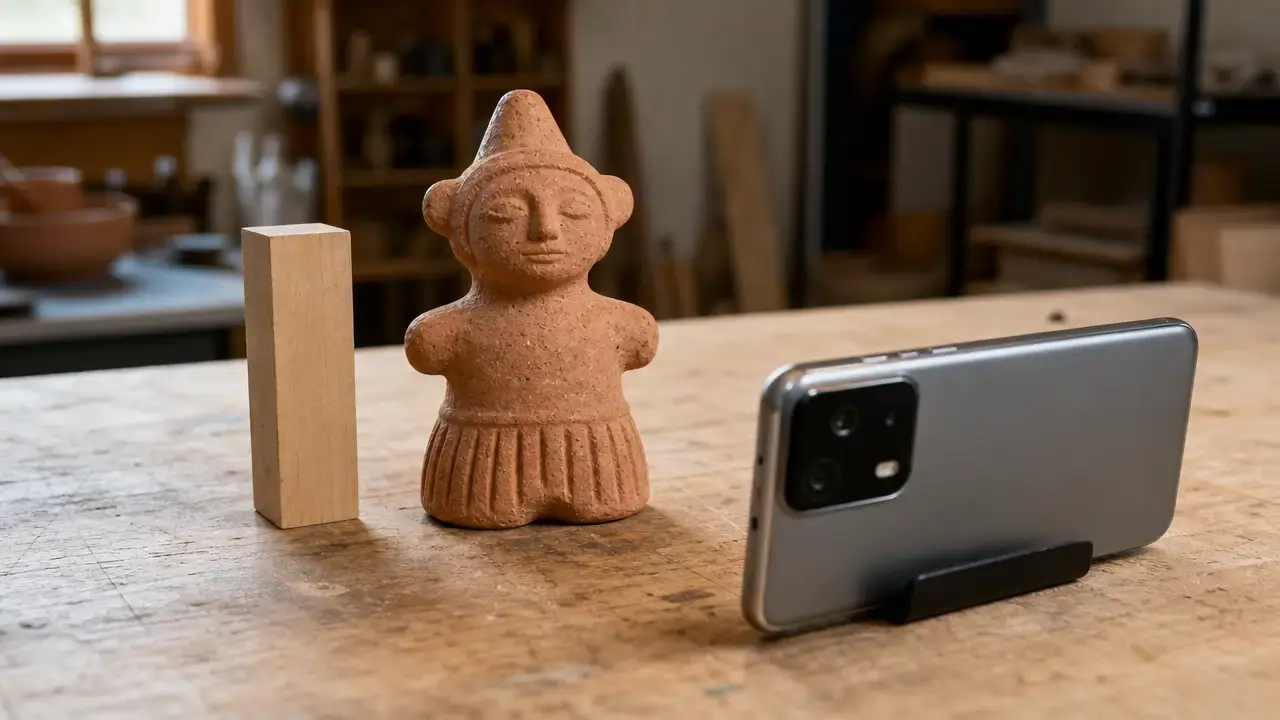
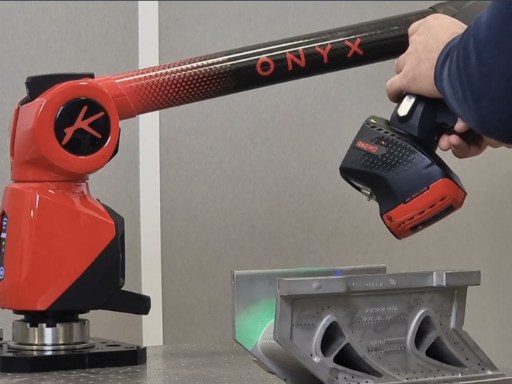
The other space is reserved for 3D projects, combining high-performance computers for processing scan data with portable 3D scanners. Day-to-day operations are overseen by Dan Getz, a TLT specialist and consultant who runs the lab’s workshops, researches new uses for immersive technology and works with Penn State’s Commonwealth Campuses to extend access across the university.
“For the Immersive Commons, we wanted to lean into what we know works well for this type of technology and offers a quality experience, rather than just chasing after an immersive solution for the sake of it being new technology,” explained Getz.
Plans for an Open House
For those seeking to find out more, the university is running an Open House event on November 17 from 11 am to 2 pm, and attendees can register online. Visitors will move between four stations.
The first puts up to four people in a shared VR session to fly across a virtual globe and examine 3D renderings. The second introduces Thinglink, a beginner-level platform for building interactive content. The third uses AI avatars to simulate public speaking scenarios and give participants live feedback. The fourth covers 3D scanning and digitization, with scanned content viewable through a VR headset.
Attendees will be able to explore the stations in their own time and ask questions of staff. More information is available via the TLT Events page. After the Open House, the space can be booked through an appointment request form. Walk-ins are welcome from 9 am to 5 pm on weekdays during the semester, whenever staff are present.
Part of a wider shift in teaching
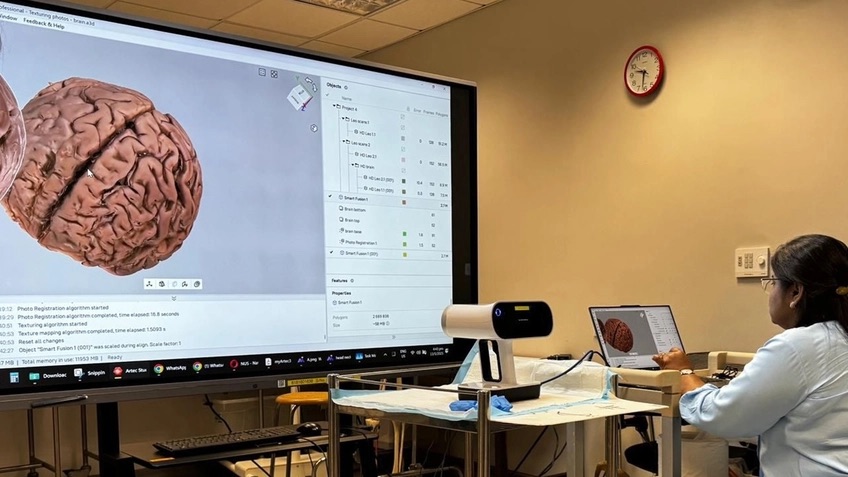
Penn State’s relaunch reflects a broader move toward digitization in the classroom. Last month, 3D Mag reported on Penn State Harrisburg students scanning headstones and artifacts to build VR exhibitions. The National University of Singapore has also used the Artec Leo to capture anatomical specimens that medical students now study in VR, while St. Cloud State University built an interactive skull museum from Artec scans so students can examine fragile specimens without handling them.
Professional handheld scanners are perfect for these applications because many of the people using them are scanning for the first time. Artec Leo is fully wireless and processes data onboard, with a built-in screen that shows the model forming in real time, so students can move freely around an object without a laptop or cable.
At Hawaii’s Mid-Pacific Institute, high school students said they got to grips with Artec scanners after a single attempt. For budding engineers, that quick start leaves more time for reverse engineering and inspection, the practical skills industry now expects of graduates. More examples are available via Artec’s education page.