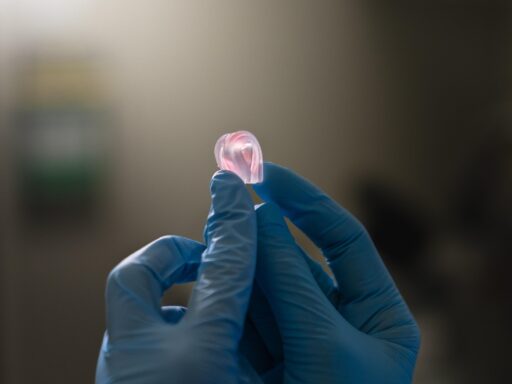
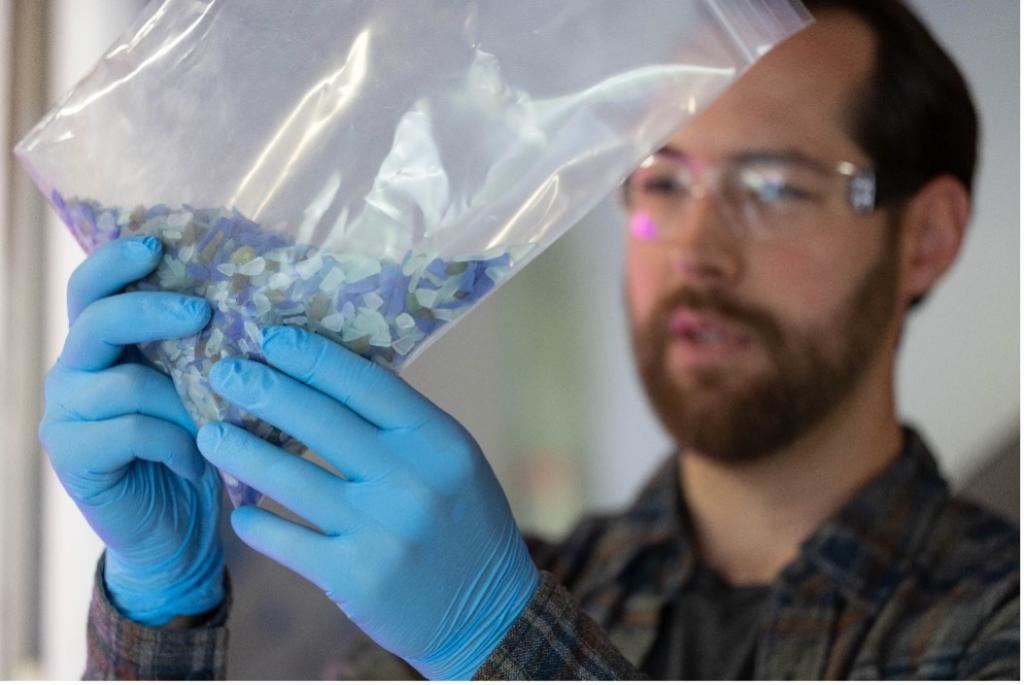

Glass waste is getting a high-tech second life with a partnership between advanced manufacturing startup Vitriform3D and the Department of Energy’s Oak Ridge National Laboratory (ORNL). According to ORNL, the collaboration is using 3D printing to turn discarded bottles into durable architectural products, such as decorative tiles, coasters, and potentially large-scale building cladding.
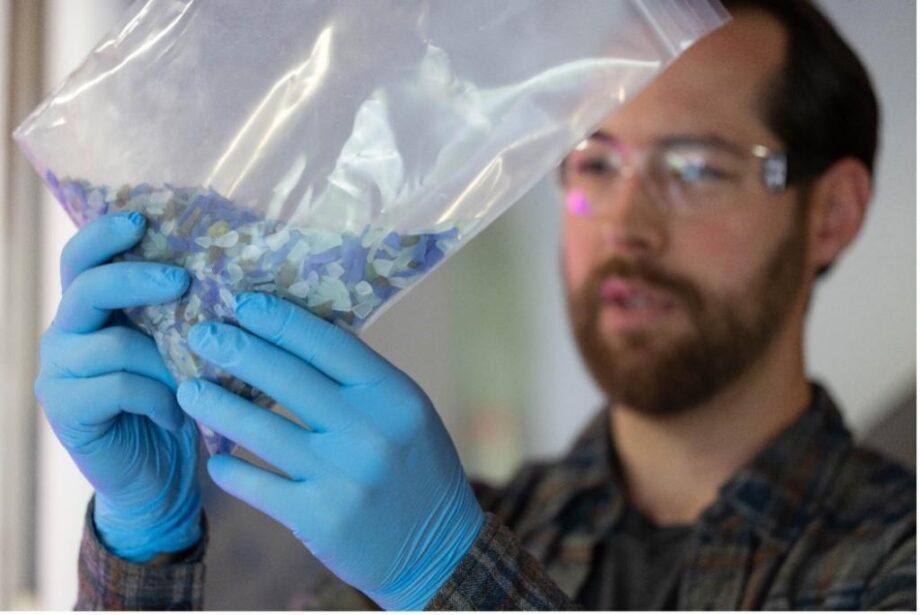
At the core of the process is binder jetting, a form of 3D printing that builds objects layer by layer from powdered material. In this case, used glass bottles are crushed into a fine sand-like powder before a robotic arm spreads the material into thin layers. Specialized nozzles then apply adhesive and color, gradually forming a finished object that is later heat-treated to strengthen its final shape.
“Essentially, you’re glueing the powdered glass together,” said Alex Stiles, Vitriform3D co-founder. Stiles explained that the finished material contains “90 to 95 percent glass waste” combined with a small amount of binder polymer adhesive, creating what is classified as engineered stone.
The project began when Stiles and Dustin Gilmer, now a professor at the University of Tennessee, worked together as students on a 3D-printing research initiative connected to ORNL scientist Tomonori Saito and IACMI, The Composites Institute. Their idea of using crushed glass as a printable material had not previously been explored in binder jetting systems.
The team later joined DOE’s Innovation Crossroads entrepreneurship program at ORNL, gaining access to the Manufacturing Demonstration Facility (MDF), where they refined printer software, adhesive formulas, and material ratios to improve the strength and appearance of printed glass products.
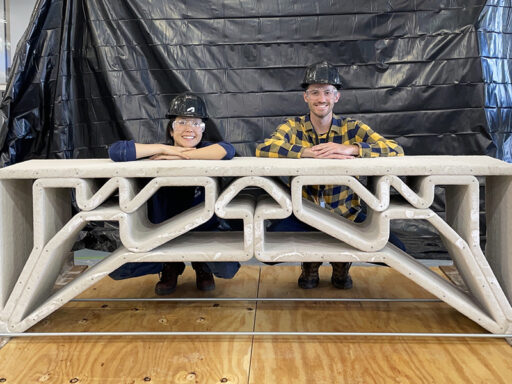
Today, the research is expanding into construction applications. ORNL building technologies researcher Nolan Hayes is collaborating with Vitriform3D to develop recycled glass cladding for buildings.
“Glass is extremely resilient, durable, and versatile,” Hayes said. “It’s fire-resistant and can withstand extreme weather conditions.”
The collaboration also highlights a broader recycling challenge. While glass can be recycled indefinitely, only about one-third of glass waste in the United States is currently reused. By adapting 3D-printing systems for recycled glass, the ORNL and Vitriform3D team hopes to create new uses for a material that too often ends up in landfills.