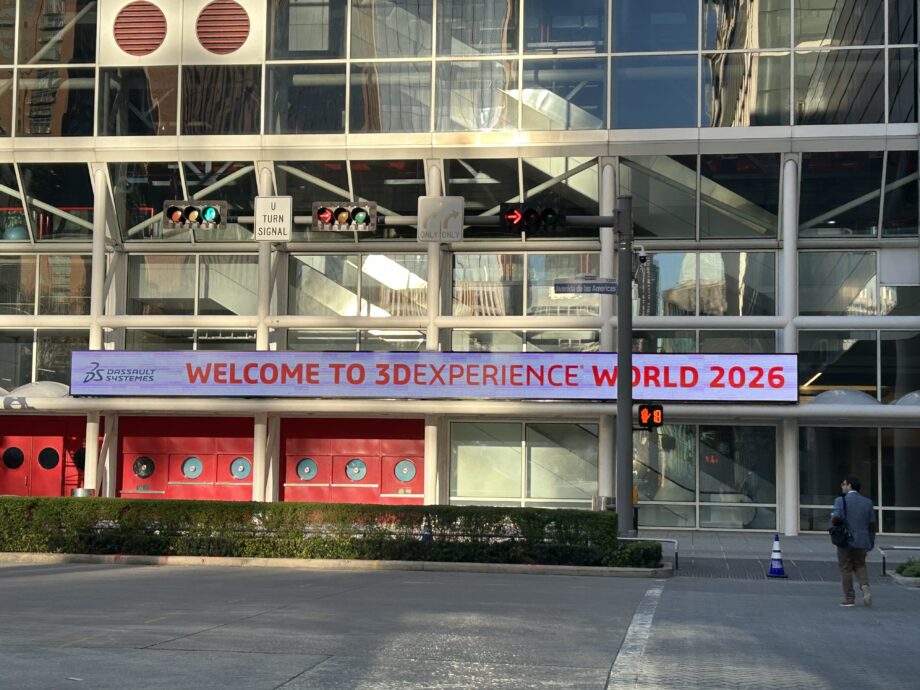
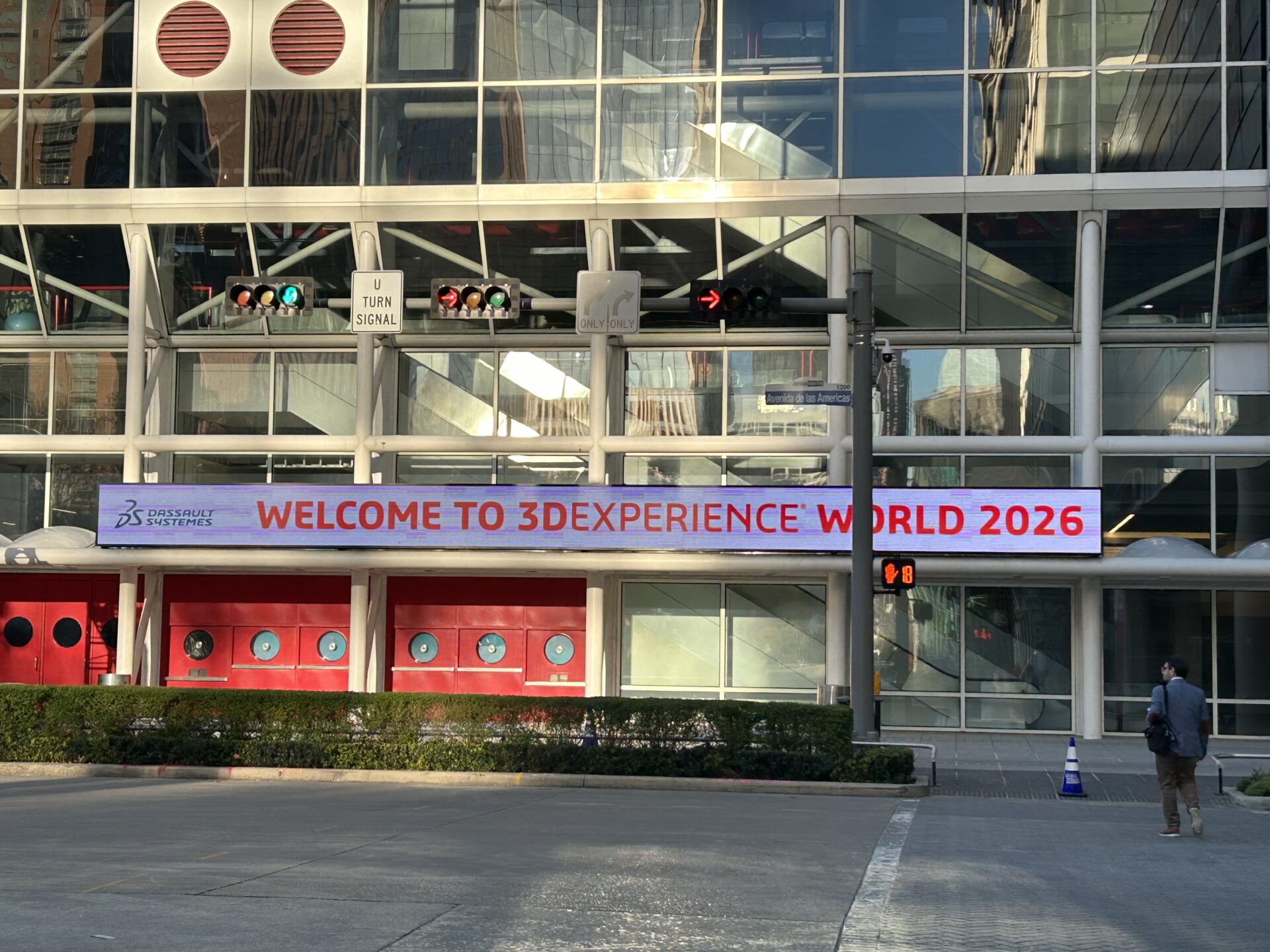

Dassault Systèmes hosted the ever-popular 3DEXPERIENCE World (3DXW) in the USA recently – and this year’s conference didn’t disappoint, seeing the introduction of many next generation, AI-powered 3D modeling tools.
Less of a traditional trade show, more a 3D design community event, 3DEXPERIENCE brings together designers, engineers, and manufacturers from all over the world. Dassault’s software portfolio ranges from modeling to simulation and production, but it’s best known as the developer of SOLIDWORKS – a well-liked 3D modeling software amongst makers.
As such, a lot of the on-stage talk was about optimizing design tools for manufacturers. Dassault itself rolled out Aura, Marie, and Leo, AI “virtual companions” to help SOLIDWORKS users accelerate design. However, the event’s workshops were definitely more hands-on, focusing on practical tips and overcoming day-to-day manufacturing challenges.
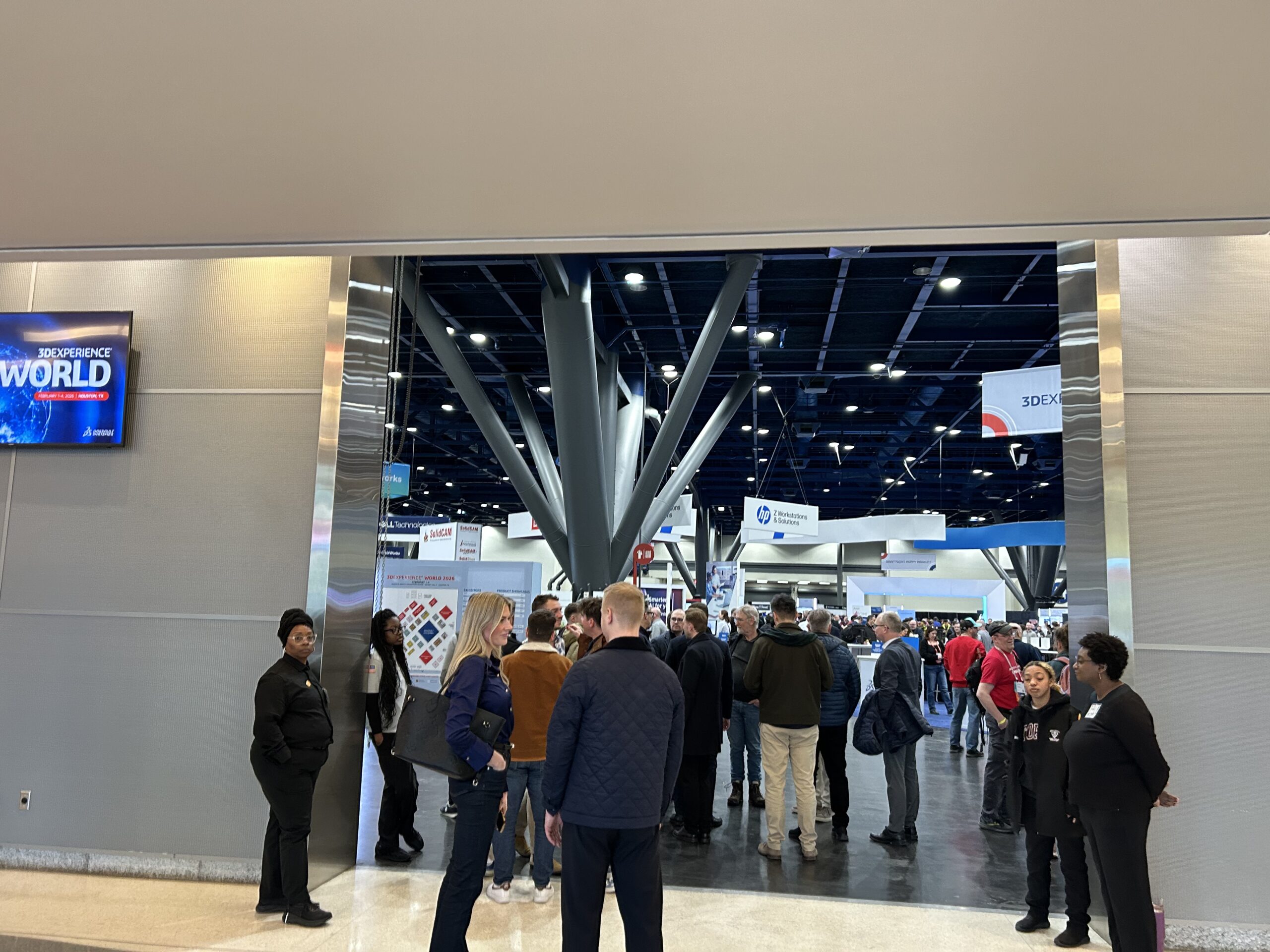
The showfloor was also more diverse, with exhibitors’ booths covering everything from machining to robotics and 3D scanning. So there was plenty for the 3D Mag team to get their teeth stuck into! Here’s what they discovered on the ground in Houston, Texas.
Dassault’s headline-grabbing AI launch
No doubt, the biggest news to come out of this year’s 3DXW was the expansion of Dassault’s generative design platform. Announced in 2025, its “3D UNIV+RSES” program is designed to facilitate closer AI-human collaboration by providing SOLIDWORKS users with expert help.
These virtual companions are designed to tackle industrial challenges. Aura, for example, helps navigate complex projects and keep them aligned. Leo solves engineering problems, while Marie is more focused on materials and chemical formulations. Altogether, it’s anticipated that these tools will go beyond regular LLMs and deliver solutions ‘grounded in science.’
“In the generative economy, industry produces knowledge and know-how that generates objects: this is where true value lies,” said Pascal Daloz, CEO of Dassault Systèmes. “The time has come to put knowledge to work by creating a new kind of teamwork between humans and Virtual Companions to make the invisible visible and the impossible possible before anything physically exists, accelerating innovation cycles while protecting the most critical assets.”
Embracing AI for accurate digital twins
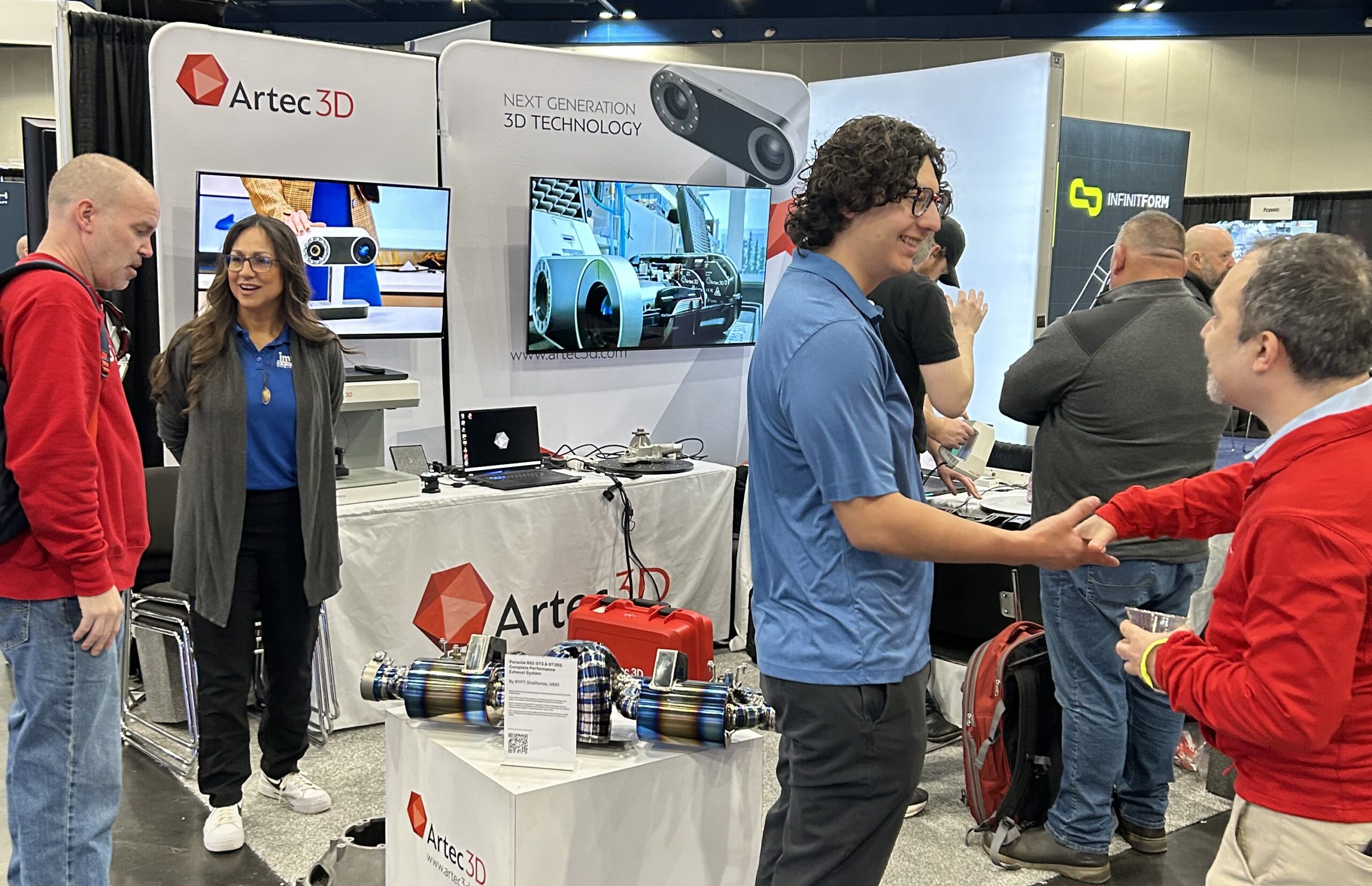
Not far from Dassault’s sprawling booth on the showfloor, the Artec 3D team were showcasing their latest technologies and applications. Based in Luxembourg, Artec is best known as a developer of professional 3D scanners. Its Artec Eva and Artec Leo 3D scanners are powered by HD Mode, a unique algorithm that boosts resolution for sharper scanning results.
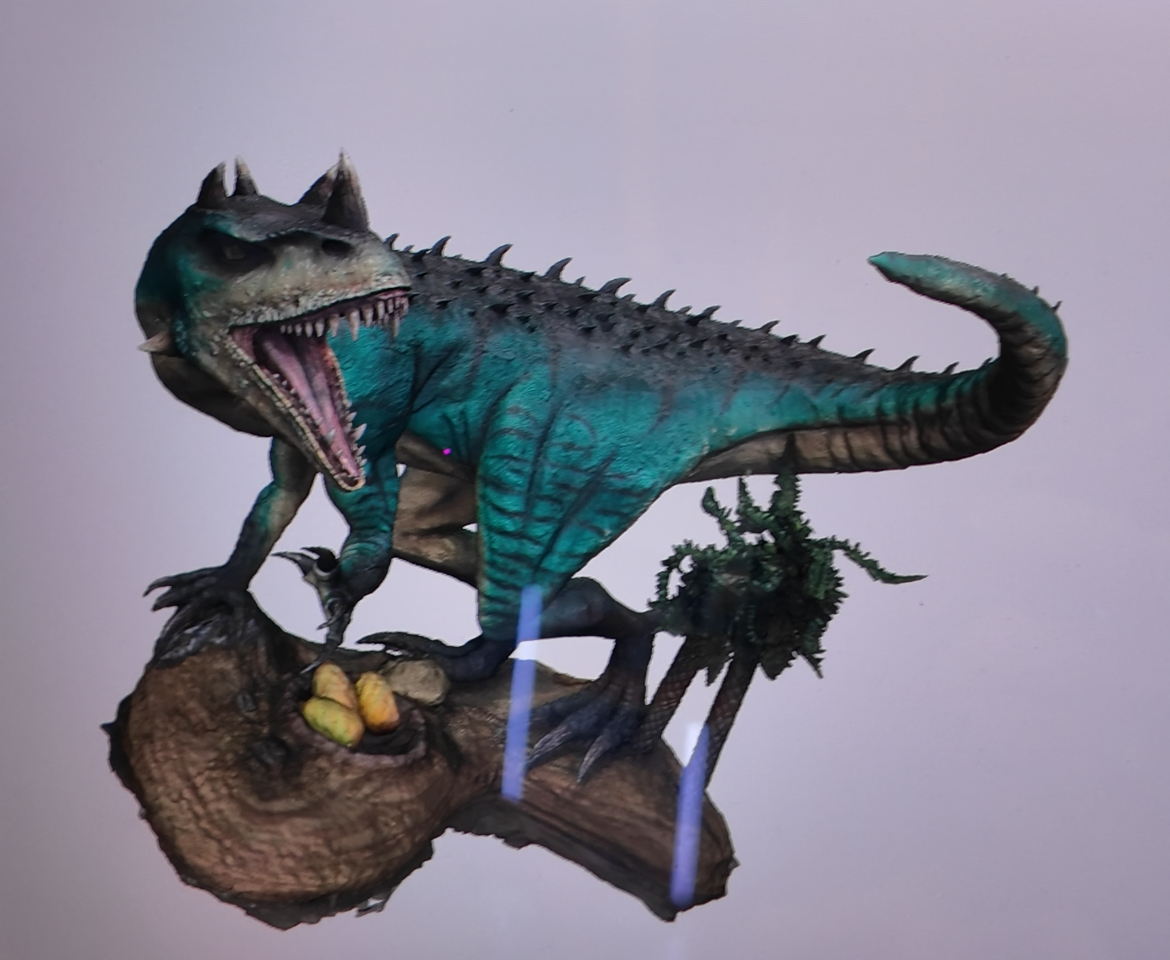
Launched last year, Artec Studio Lite also features an AI-powered photogrammetry algorithm that generates 3D models from photos and videos. The company’s first solution to operate without any need for a scanner, the software attracted interest from engineers, designers, and educators – I mean, you can see why. Check out the Artec Studio Lite model of “Frank the Dinosaur” below!
That said, the highlight of Artec’s booth was probably the Porsche 911 exhaust designed with Leo 3D scanning by customer RYFT in California. Such shiny objects are usually very tricky to capture, but the team still managed it (presumably with a fair amount of spray). Other visitors asked about the potential of Artec 3D’s technology for creating industrial Digital Twins.
It turns out that it’s already being used in this area. Dodman Ltd., for instance, creates factory digital twins by pairing Leo with the LiDAR Artec Ray II. But this approach does come with some caveats – users need to attach sensors if they want feedback because Artec models are only correct at time of capture. However they do offer a great starting point for industrial modeling.
Exploring the showfloor at 3DXW
There was plenty to see on the showfloor at 3DXW, including a packed makerspace, AR Arena, and numerous home projects. One of which, the OpenR2 project, has seen designer Rachael Naoum try to recreate all the original parts from R2D2. Another saw the original WALL-E robot from the hit Disney movie (pictured below) paraded around the showfloor for visitors to meet.
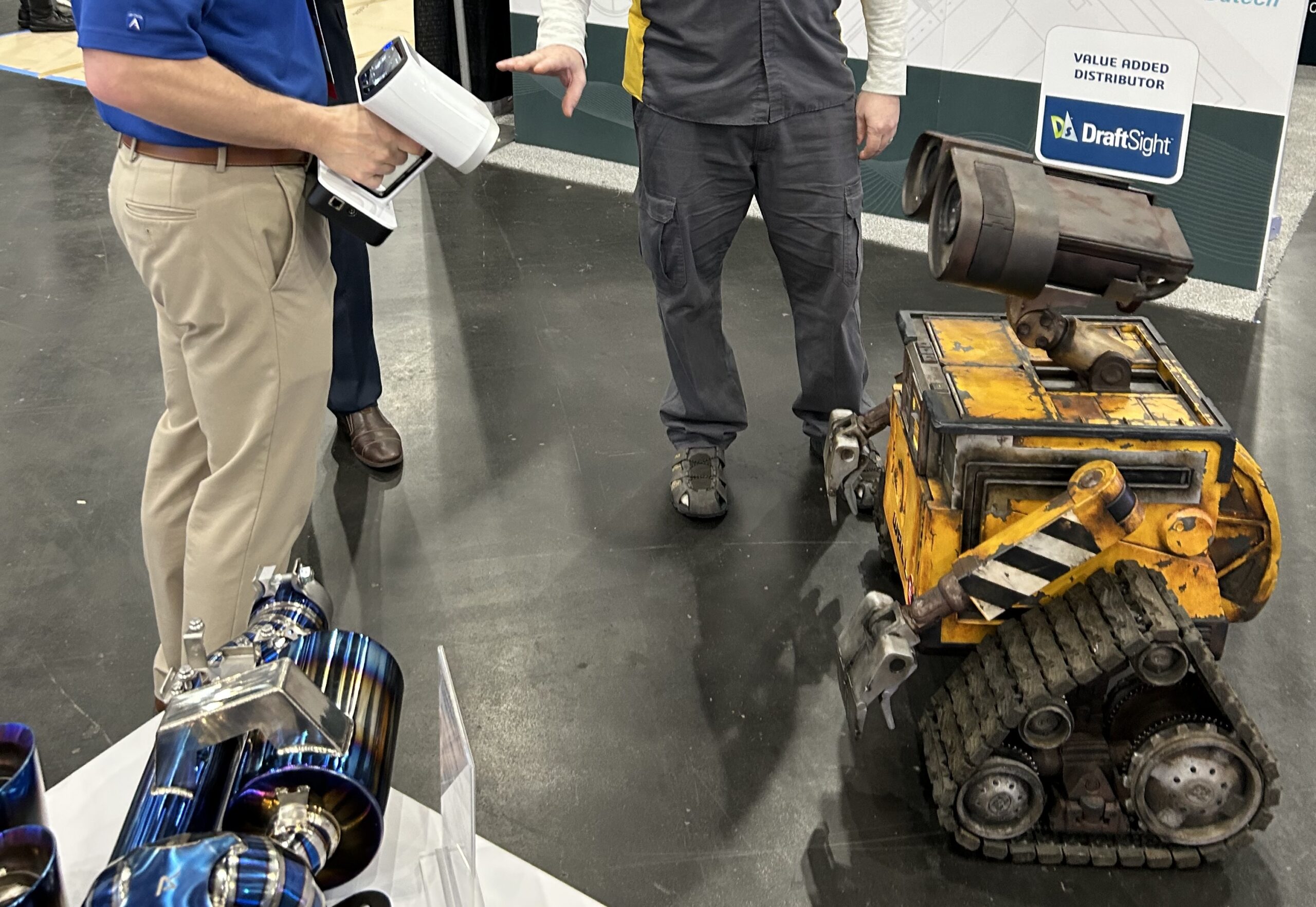
Other curiosities included a live SOLIDWORKS modeling competition, complete with a “ring” and wrestling announcer to encourage the crowds that assembled. It was a great showcase for just how fast and easy the design software is to use. The designs they had to make in each “round” were also quite common, so there was an element of practicality to the “show.”
Finally, it wouldn’t be an advanced tech showcase without a full-on robot nowadays! At the event, WestWood Robotics showed off “THEMIS,” a 36-kilo, 160-centimeter tall humanoid bot with an articulated wrist and adaptive hand capable of waving at passers by. It’s said that the device will one day be used to carry chores like taking out the trash or collecting packages.
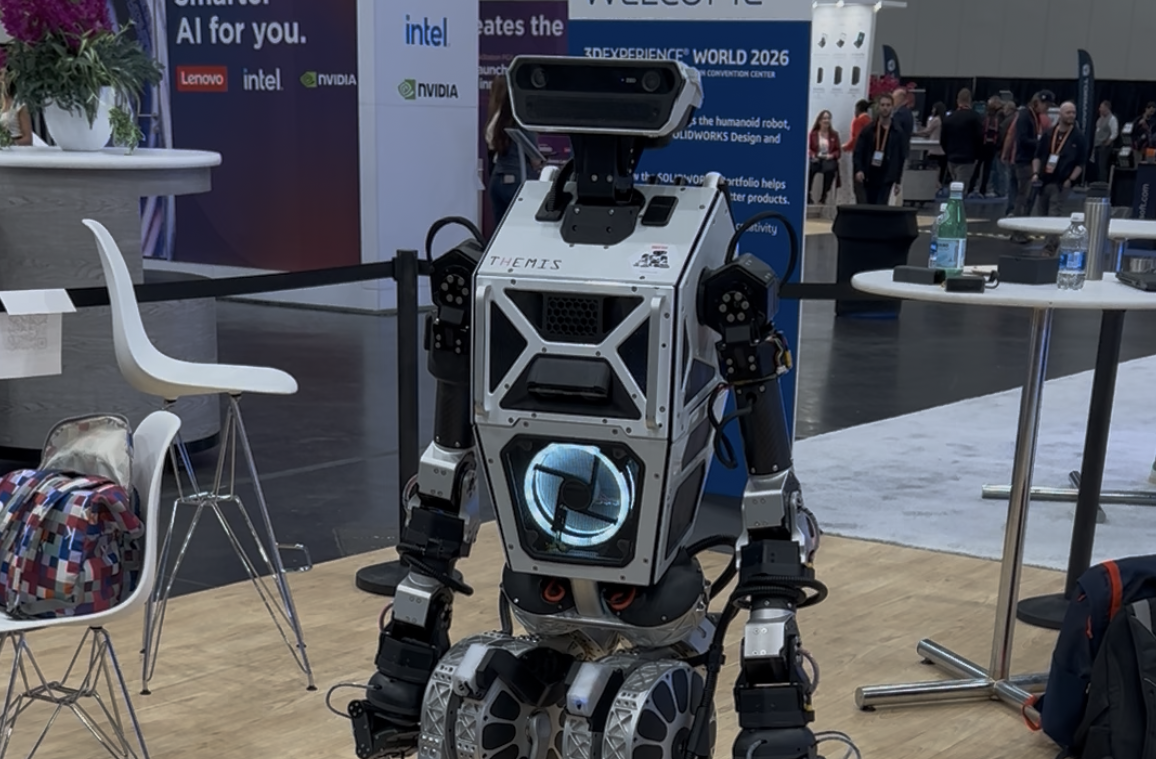
Only time will tell if this promise turns into reality. In the meantime, many visitors left the SOLIDWORKS event imbued with a newfound skillset, knowledge of the software, and impetus to get the most out of the technology – which is already making waves in the here and now.