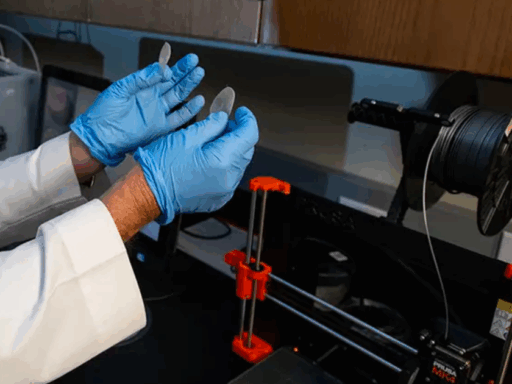

Researchers at the University of Missouri are leveraging 3D technology to develop lifelike, life-sized models of the human brain, creating unprecedented possibilities for medical research, training, and patient-centered care.
Traditional computer simulations have long been used to study how the brain responds to mechanical forces and electromagnetic waves. However, these simulations are not able to fully mimic the complexity of living tissue. The team at Mizzou’s College of Engineering is addressing this gap with 3D-printed brain models that both look and behave like real tissue.
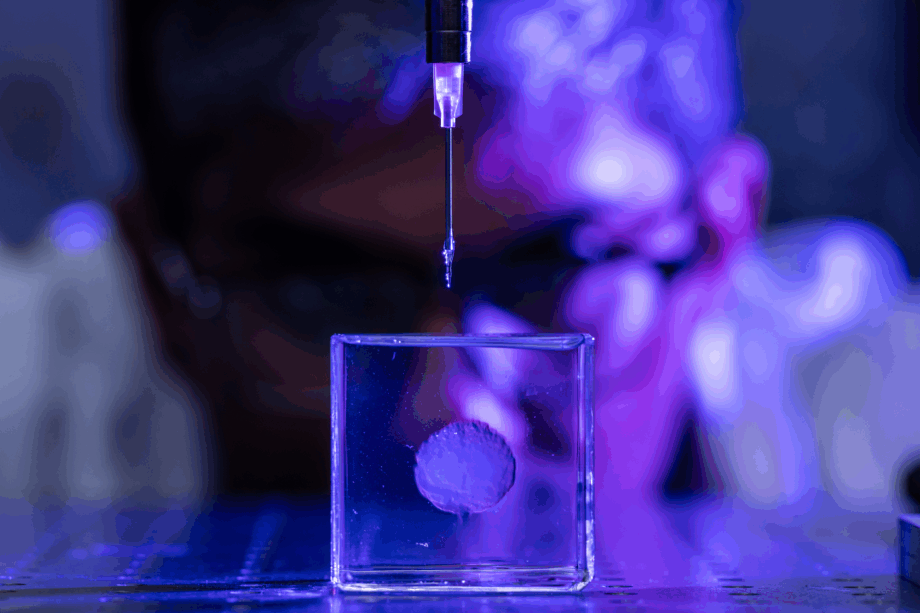
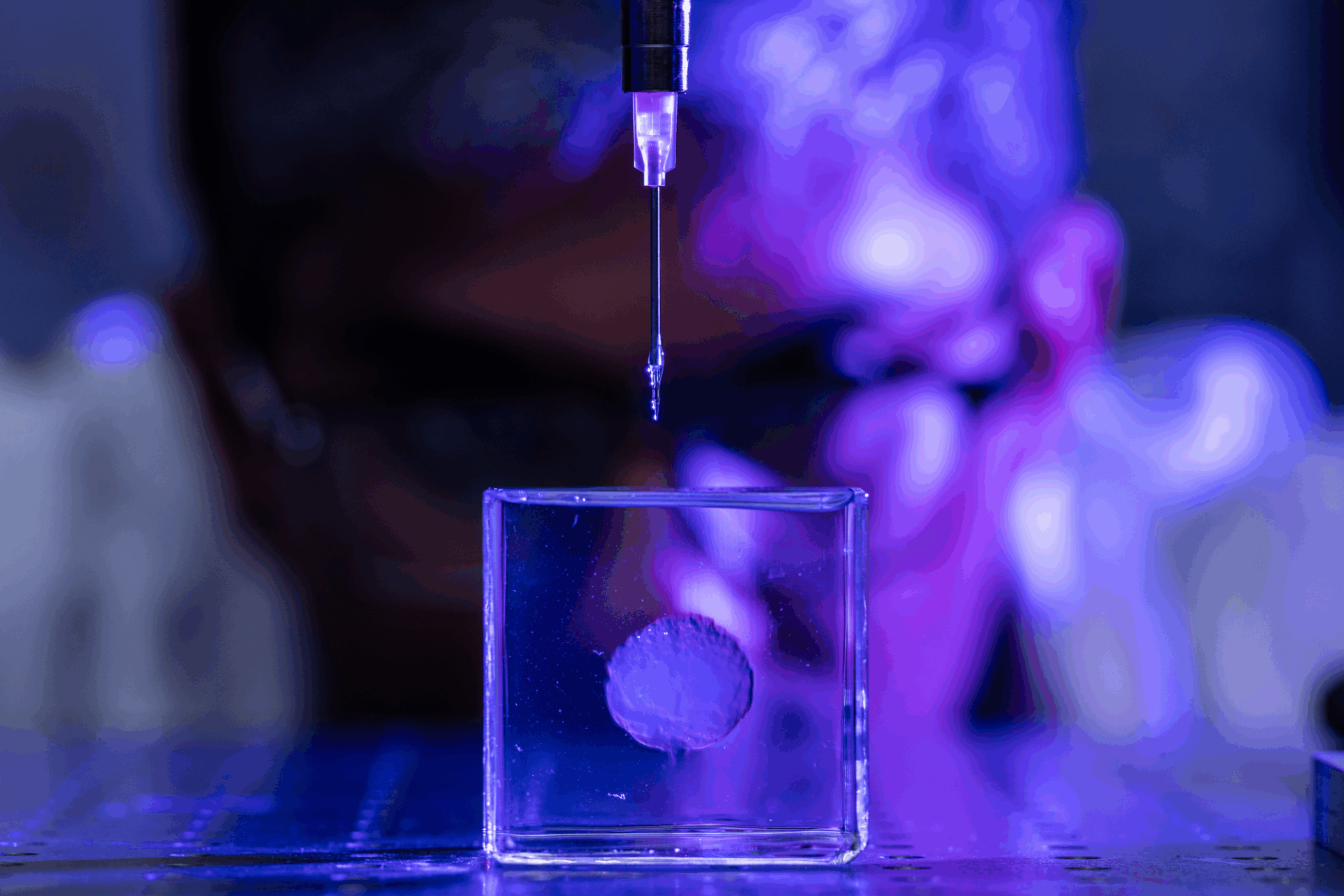
At the heart of their innovation is embedded 3D printing, a technique that redefines brain model creation by printing soft materials inside a jelly-like support bath. This approach, unlike conventional methods, stabilizes delicate structures in the process of fabrication, so that researchers can reproduce the brain’s intricate folds and varying stiffness.
“Human tissues are incredibly heterogeneous, made of different materials with different properties,” said Christopher O’Bryan, assistant professor of mechanical and aerospace engineering. “Our 3D printing approach lets us capture that complexity in a way that wasn’t possible before.”
Using a custom liquid ink based on a modified polymer is the cornerstone of the workflow. By adjusting its chemistry, scientists can replicate the mechanical, thermal, and dielectric properties of brain tissue, including differences between gray and white matter.
The team has already produced a small-scale model, approximately 15% of the brain’s full size, aiming to develop a full-sized version within the next year.
“This is about giving the medical and scientific communities a tool that’s both realistic and personalized,” said lead researcher Mujtaba Rafique Ghoto. “The possibilities for improving health and safety are enormous.”
Potential applications are incredibly diverse and include safer medical training, patient-specific models based on MRI or CT scans, and testing how implants or electronic devices interact with brain tissue.